
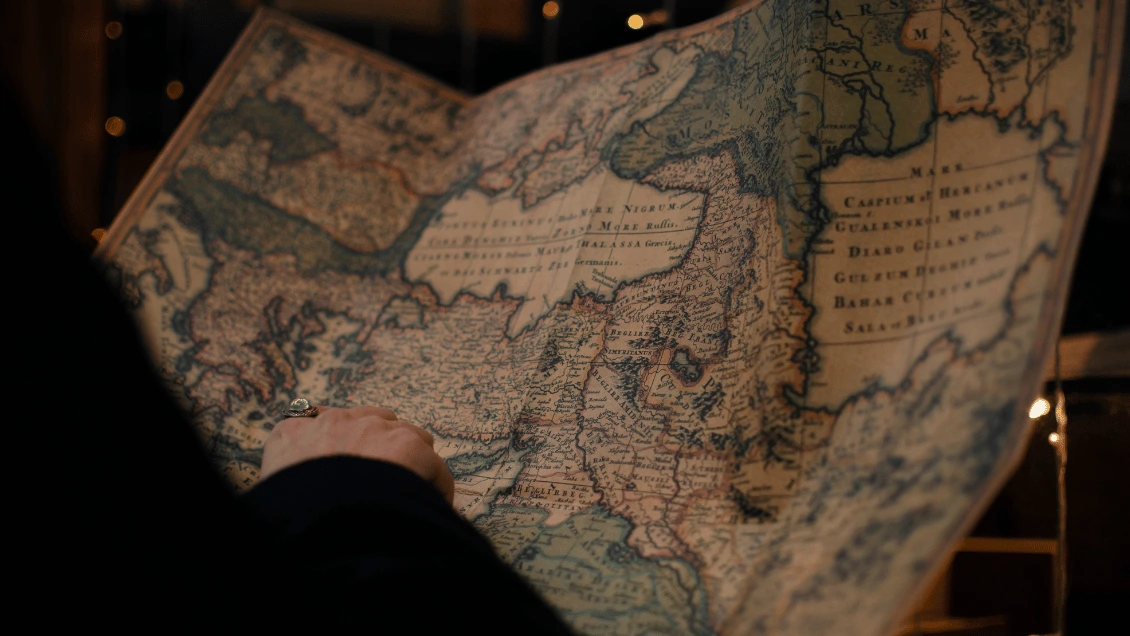
Fantasy Map-Making for Writers and DMs
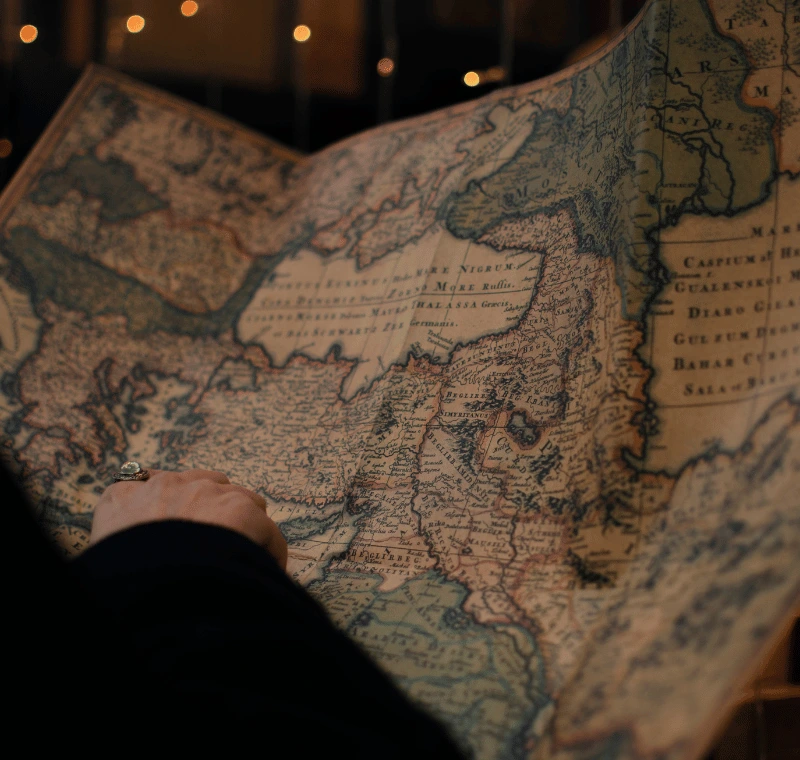
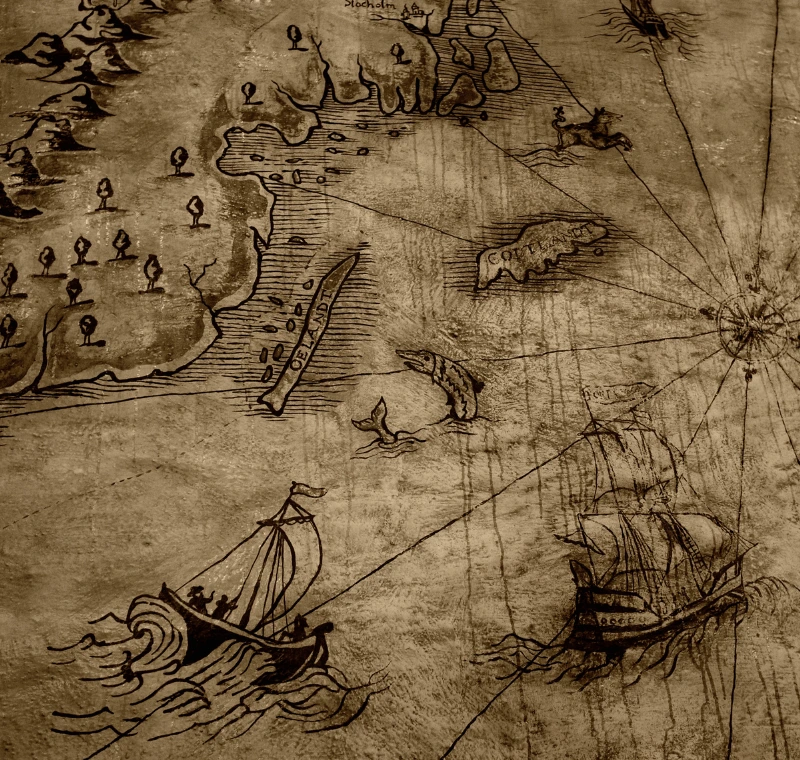
From Inkarnate to Wonderdraft to World Anvil's interactive maps: a practical guide to fantasy map-making tools, techniques, and how to decide what your world actually needs.
Read article


Build worlds, learn how to tell amazing stories
Practical lessons for curious worldbuilders, imaginative writers and unforgettable game masters. Your next great idea starts here.
Find your next inspiration
From Inkarnate to Wonderdraft to World Anvil's interactive maps: a practical guide to fantasy map-making tools, techniques, and how to decide what your world actually needs.
Read article
Gothic isn't just a bunch of tropes or an aesthetic. It's far more seductive - and subversive. Unpack why gothic exists, what makes it tick, and how to craft a gothic setting for any genre.
Read article
Whether or not you're a cozy fan yourself, the genre's appeal is undeniable. So what draws people in? And more importantly, how can you harness that appeal for your own work?
Read article

Fights scenes can add conflict and action to your stories. But they're more than just choreographed violence, they're storytelling tools. Here are some important things to consider.
Read article
Explore four universal pleasure buttons that can make your worldbuilding more addictive, along with practical tips on how to incorporate them into your work.
Read articleKeep your curiosity alive
Learn how Fallout creates factions that feel real, from the NCR to Caesar's Legion. Five worldbuilding tips for GMs, authors and hobbyists, plus how to start your own.
From Inkarnate to Wonderdraft to World Anvil's interactive maps: a practical guide to fantasy map-making tools, techniques, and how to decide what your world actually needs.
Gothic isn't just a bunch of tropes or an aesthetic. It's far more seductive - and subversive. Unpack why gothic exists, what makes it tick, and how to craft a gothic setting for any genre.
Dungeon Crawler Carl, a hit litRPG series, completely ignores "show don't tell." Learn how you can steal the series' techniques to make your own exposition simply unskippable.
Whether or not you're a cozy fan yourself, the genre's appeal is undeniable. So what draws people in? And more importantly, how can you harness that appeal for your own work?
Fights scenes can add conflict and action to your stories. But they're more than just choreographed violence, they're storytelling tools. Here are some important things to consider.
Want to share your homebrew world, with the world? Here's a step-by-step process for exploring publishing your original setting.
A fictional country isn't just geography, politics, or even a people. It's a story people tell themselves. If you don't know what that story is, you're missing the opportunity to turn your countries into storytelling engines.
Creating a multipath adventure can be overwhelming when you start thinking about all the possible story paths the reader could take. The solution? Visual plotting with whiteboards!
Explore four universal pleasure buttons that can make your worldbuilding more addictive, along with practical tips on how to incorporate them into your work.
A step-by-step framework for organizing your campaign's lore, NPCs, locations, and session notes so nothing falls through the cracks at the table.
This guide will show you how to build a mythic fantasy world that feels like The Odyssey, like Xena: Warrior Princess, like Hercules — but with your own geography, gods, monsters, and lore.
A lot of worldbuilding advice for dungeonmasters gives you a starting point that leads to generic, unmemorable settings. There's a better way to start building your homebrew world; here's how.
Revolutions and rebellions are a staple of fantasy and science fiction for good reason. Here's a guide for how to write - and subvert - them in your stories and games.
Sub plots are the secret to a novel readers can't put down. Learn the 6 types of sub plots, how to balance them, and how to track multiple plotlines.
Dragon riders remain one of fantasy's most enduring and electrifying archetypes. So how do you build a world where dragon riders make sense? Here are your options!
Solarpunk is a speculative fiction movement — part aesthetic, part political philosophy, part genre — built around one electrifying premise: what if we actually fixed things?
Tarot cards can make your D&D sessions more mysterious, immersive, and dramatic — and there’s a full spread of ways to use them in your campaign! If you’re ready to find a use for that Tarot Deck you got in a Kickstarter, read on!
Snow Globe worldbuilding is when your setting feels like it only exists to serve your main characters. It's also called Mary-Sue worldbuilding. Here's how to spot - and fix - it.
Why does the Evil Empire keep showing up as fiction's go-to villain? And more importantly for worldbuilders, how do you create a fantasy or scifi empire that doesn't feel like a cliche?
Here's how to make your world history a fascinating mystery, including five ways to destroy your ancients like a wrathful god, and the tools to make sure your audience is dying to know what really happened.
A warlock patron brings juicy personal costs, compelling complications, and character dilemmas to your games. Here's how to get all the upside, without the pitfalls.
Understand how DnD quest types actually work, and how to layer, nest, and subvert them so every session feels fresh for your players.
Your world’s technology level shapes everything from how characters can travel and communicate to what conflicts can happen. Let's explore how to choose the right tech era for your fantasy setting—and why that choice might not be as simple as you think.
Every great world starts somewhere
Dive deeper and learn about how World Anvil can help you!