
5 · A Sound Not His Own
Aristotle has not reached the end of the world yet. He could choose to worry about the fact that today was different from any other day that he could remember, or he could choose to believe that he has been walking slower than he realizes. Feeling the sun on his body, the delicate curves of the hills look so beautiful as he feels his brain quash everything that could become anxiety. The flowers dance as the air moves; the sweet, sticky odor of their blooms soothes his mind. A song fills his nostrils.
In order to lend credence to his theory, Aristotle slows his trot up the hill. He closes his eyes, freeing the friendly air from having to compete with the sights. At the top of the hill Aristotle spreads his arms. The air is warm. This is Good. But now he hears something.
Aristotle has heard a few things before. His feet touching the ground, the associated noises that come from digging for his meals, the rhythmic qualities of his exhalations. Rare were the times that he heard something that did not come from him — wind making the vegetation rustle, a pebble rolling down the edge of the world. These few times a sound entered reality without Aristotle's intervention were a special occasion; he remembers them all as discrete interruptions of the everyday. The sounds he is currently hearing are especially aberrant. They had none of the flowing luxurious sonority of wind rustling the grass, nor the impatient impermanence of a stone falling. No, these sounds were an ask. They wanted something. They started, they stopped. They were imperfect, they were variable, they were incomplete. Aristotle walked towards the noise. As he grew closer and the sound got more detailed, he compared it to his own footfalls. The timbres were the same, but the rhythm was different.
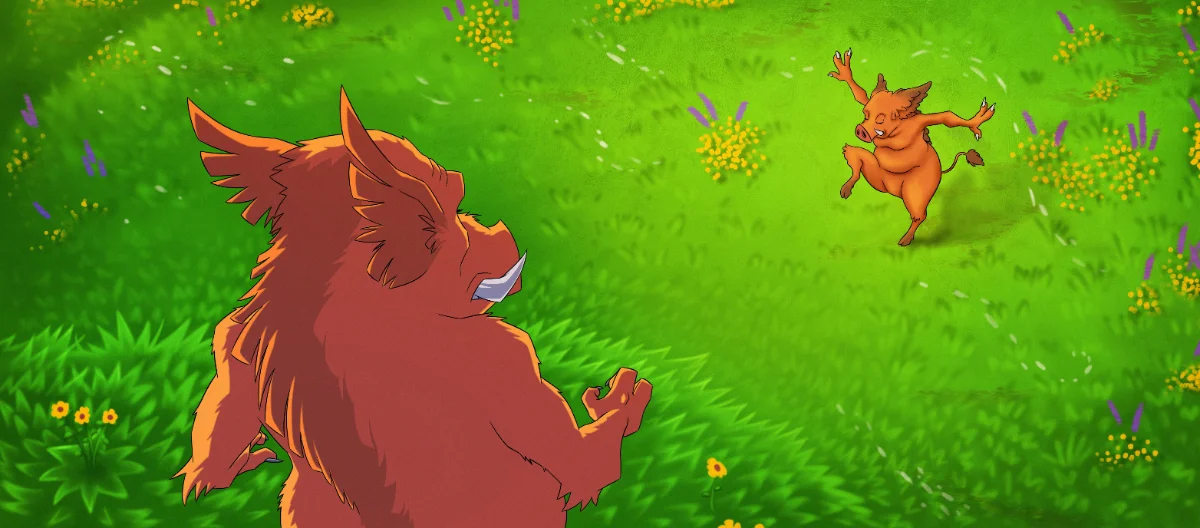
Fig. 02 — First Contact — the second moving thing in all of reality · Illustration by Lucas
Behind another low-rising, flower-encrusted hill is where he begins to see. He sees another one of what he thought was himself. He has seen himself in the reflections of the water that tastes so sweet. This one's fur is more reddish in color, and maybe its tusks are smaller, but Aristotle ignores such insignificant distinctions: this is another one of him. It is at this moment that Aristotle learns what all of the words in his mind are for — all of these intruders in his mind that he wishes he could kill with the sweet odors of the world. He feels the urge to reach out to this other being, this friend in the world, and the only way he knows how is with the voice he hoped would one day leave him.
This other is moving their body in a way he does not understand. They are raising their feet high, one at a time, knees almost reaching their chest. After each stride they lower their body, snout almost touching the ground, and he sees their nostrils flare — the distinctive signs of a good long breath. While they breathe in, the foot that they did not raise high drags across the surface of the ground, scraping against the soil and overturning the grass. Their feet now touching, they begin the process again: raising the knee high, walking, sniffing, dragging.
Discuss this chapter