





Roadfolk
Roadfolk are not necessarily a genetic ethnicity, but they are definitely a cultural one. The tenants of their lifestyle include a proud devotion to keeping alive traditional performing art forms, from circus acts and masked theater to ancient instruments and folk dancing.
These arts are not as highly prized in the current modern world with mass digital entertainment at everyone's fingertips, and every year, it gets harder to be a performer. Their numbers are a fraction of what they were even a few generations ago. But Roadfolk don't do what they do to get rich or see their names on billboards; they are the cultural historians of forgotten performing arts. And as long as you share their devotion and are willing to commit to their lifestyle, the Roadfolk will welcome you.

These arts are not as highly prized in the current modern world with mass digital entertainment at everyone's fingertips, and every year, it gets harder to be a performer. Their numbers are a fraction of what they were even a few generations ago. But Roadfolk don't do what they do to get rich or see their names on billboards; they are the cultural historians of forgotten performing arts. And as long as you share their devotion and are willing to commit to their lifestyle, the Roadfolk will welcome you.
Roadfolk Caravan Lights at Night by tariktk
Culture
Culture and cultural heritage
Many children of Roadfolk become Roadfolk themselves, but not always. Some find themselves weary of the Road and settle down for the rest of their lives, while others only manage a few years before the Road calls them back.
Those who wish to join the Roadfolk from outside are often regarded with suspicion. The lifestyle is grueling and uncompromising, and people walk into it with rose colored glasses glamorizing life on the open road. Some Roadfolk are outright hostile to newcomers to the lifestyle, while others are kind but distant. Since the vast majority of newcomers quit within 3-6 months, after the honeymoon glamor has worn off, most established Roadfolk don't bother getting too attached to newcomers until at least then.
However, once you have been accepted by the Roadfolk, you are considered a Roadfolk for life. There is no distinction made between those who were born to the lifestyle and those who made the choice to join it.
Those who wish to join the Roadfolk from outside are often regarded with suspicion. The lifestyle is grueling and uncompromising, and people walk into it with rose colored glasses glamorizing life on the open road. Some Roadfolk are outright hostile to newcomers to the lifestyle, while others are kind but distant. Since the vast majority of newcomers quit within 3-6 months, after the honeymoon glamor has worn off, most established Roadfolk don't bother getting too attached to newcomers until at least then.
However, once you have been accepted by the Roadfolk, you are considered a Roadfolk for life. There is no distinction made between those who were born to the lifestyle and those who made the choice to join it.
Common Dress code
While some troupes are seasonal, many Roadfolk form permanent troupes and travel together in caravans. Some Roadfolk easily pass between troupes and semi-permanent shows for the seasons, while others possess an almost fanatical devotion to their home troupes. The aesthetics of caravan troupes and those of the seasonal and semi-permanent workers are wildly different.
For these Roadfolk, their professional life and their personal life tends to blend together. It’s more common here to see people commit to an aesthetic in their personal lives that match their professional one. They tend to favor bright, eye-catching colors in shiny fabrics and follow the circles of high fashion; their nightly exploits in the clubs are well matched with the dramatics of their daily lives.
Because of this, many Roadfolk learn the basics of sewing and tailoring their own clothes. Of course, some learn more specialized skills, hand sewing entire costumes from nothing but fabric and a keen eye, but even the youngest and least experienced Roadfolk can patch a rip or reattach a button on their own costume.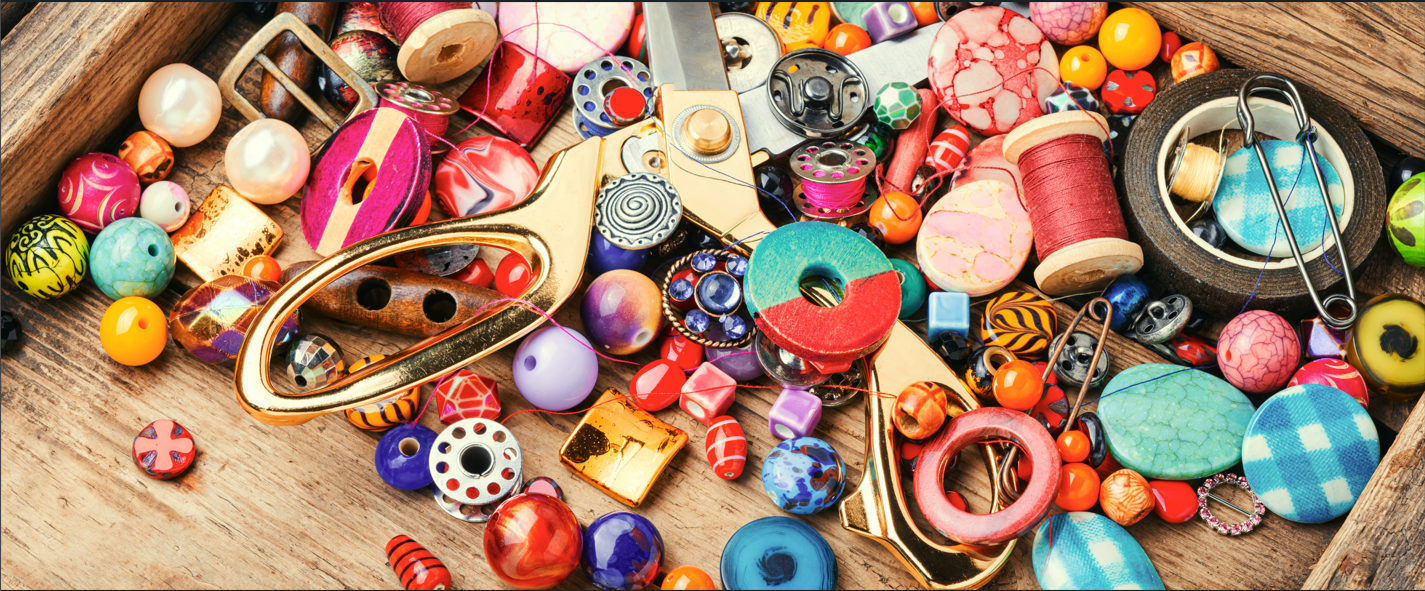
A costume, especially for the more famous stage personas, is as important to Roadfolk as their own stage names. Many will spend years cultivating exactly the perfect look, adding and subtracting layers or adornments as they grow their act. Others will have a different costume for every act, a different color for every flavor of performance.
For example, a ribbon dancer might give her ribbon to one student, her hairpin to another, and her skirt to a third, so that all of them can incorporate mementos of her into their stage personas.
Caravan Troupes
If you ever get the chance to meet a Roadfolk troupe out of costume, you’ll notice that they tend to decorate (and dress) like the inside of a thrift store. Each person is keenly aware of their diminishing place in a society that places more and more importance on digital entertainment and communications, and so many Roadfolk gravitate towards similarly outdated and outcast aesthetics. In the same troupe, you might find someone who favors flapper dresses, someone who wears the leg warmers of the 80s, and someone who dresses like a sickly Victorian child, makeup and all.Seasonal and Semi-Permanent Troupes
“Seasonal” Roadfolk is the term used to describe someone who adheres to the Roadfolk lifestyle for only part of the year. These kind of Roadfolk often travel for a few months at a time before going to stay with family during their off months, or take work at a show that runs in the same location for long periods of time.For these Roadfolk, their professional life and their personal life tends to blend together. It’s more common here to see people commit to an aesthetic in their personal lives that match their professional one. They tend to favor bright, eye-catching colors in shiny fabrics and follow the circles of high fashion; their nightly exploits in the clubs are well matched with the dramatics of their daily lives.
Costuming
Whether a seasonal worker or a member of a caravan troupe, there is one thing all Roadfolk fashion has in common, and that is costumes.It's an unspoken rule that no matter what your job is, everyone costumes. Even those that aren't on stage performing for an audience are expected to be in costume.
This puts Roadfolk backstage work solidly apart from working tech in a permanent theater, where the technicians are expected to wear unassuming black clothes and blend into the background. At a Roadfolk show, the background staff are part of the performance. The person staffing the ticket window might take money in a sequined jacket and a thick, indeterminate accent, and the technician moving set pieces between acts might do so in a tight tank top, showing off their biceps to the crowd as they make a big deal of their strength.
Because of this, many Roadfolk learn the basics of sewing and tailoring their own clothes. Of course, some learn more specialized skills, hand sewing entire costumes from nothing but fabric and a keen eye, but even the youngest and least experienced Roadfolk can patch a rip or reattach a button on their own costume.
Misc. Costume Supplies by lmykola
Costumes and Stage Personas
Every Roadfolk's costume is unque to their stage persona, but they always have a few elements in common:Roadfolk costumes are always bold, eye-catching, and dramatic.
Bold doesn't always mean big, however. The glittering skin-tight leotard of the acrobat or the tiny shorts of the Strong Man can be just as effective as the matador cape of the stage combat specialist or the ankle length, bell-lined skirt of the belly dancer.
A costume, especially for the more famous stage personas, is as important to Roadfolk as their own stage names. Many will spend years cultivating exactly the perfect look, adding and subtracting layers or adornments as they grow their act. Others will have a different costume for every act, a different color for every flavor of performance.
Costumes are considered sacred amongst Roadfolk.
They're so unique to each performer's stage persona that it's considered close to blasphemy to wear someone else's costume, or even to copy someone's costume too closely. Even when Roadfolk retire or pass away, their costumes are never passed on as a whole outfit. The costumes are either packed away as a family heirloom, or broken up into smaller pieces to give to other family members or protege.
For example, a ribbon dancer might give her ribbon to one student, her hairpin to another, and her skirt to a third, so that all of them can incorporate mementos of her into their stage personas.
Art & Architecture
Caravan Troupes
Mobile Roadfolk caravans are usually made up of a collection of camper vans, motor homes, and trailers hauled behind pickup trucks. They favor the eclectic and the vintage, and many of their vehicles are hand painted with murals that have motifs unique to each troupe.Seasonal and Semi-Permanent Troupes
Many locations that manage semi-permanent stadiums change up their shows several times a year, but often keep a large percentage of the performers doing different acts. This allows some Roadfolk to live the lifestyle of a traveling performer while also having a permanent home.This Roadfolk lifestyle is popular among two kinds of people: those that are young enough not to worry about raising a family, and those that are old enough that performing in one location for a while feels like retirement.
Of course, it’s not an extremely well-paid profession, and most Roadfolk who work these shows choose to live in dormitories provided by the managing company.
Like with their clothing, living in dormitory with other performers, even when they all have their own personal space, causes the lines of professional and personal to blur. Many Roadfolk decorate their dorms with posters of past performances, or show memorabelia from other Roadfolk that were an inspiration to them. Some even look more like dressing rooms than bedrooms, with huge stashes of costumes.
Common Customs, traditions and rituals
Not everyone performs; some are too old or too young, and some are born to Roadfolk families but simply don’t have the inclination for it. But it’s not a free ride for anyone. Even children do chores as soon as they’re old enough.
It’s not a rich lifestyle, and supplies can be quite expensive depending on the profession, so Roadfolk troupes often find themselves unable to find (or afford) the right specialists in their nomadic wanderings. This leads to Roadfolk troupes being self-contained societies with everyone taking on two or even three roles. The acrobat might also be the troupe’s mechanic, or the retired organist, her hands too arthritic to play anymore, teaches lessons and performs midwife duties.
It’s not a rich lifestyle, and supplies can be quite expensive depending on the profession, so Roadfolk troupes often find themselves unable to find (or afford) the right specialists in their nomadic wanderings. This leads to Roadfolk troupes being self-contained societies with everyone taking on two or even three roles. The acrobat might also be the troupe’s mechanic, or the retired organist, her hands too arthritic to play anymore, teaches lessons and performs midwife duties.
Coming of Age Rites
There's a saying among the Roadfolk: you can pick your stage name, but you can't pick your Circus Name.
Every Roadfolk has three names. The first is their birth name, which is generally only used by family or while they are a newcomer.
The second is their stage name. This is the name they pick to use for their act. For some people, it's a variation of their real name or a completely different name. For others, it's a made up title or silly pun. Stage names are used exclusively in costume and when dealing with the public. A very few Roadfolk do not have stage names. These are mostly people who work logistics or behind the scenes.
The third name is what's known as a Circus Name. Every Roadfolk calls it this, even if they don’t do circus, because Circus performers make up the vast majority of Roadfolk. Your Circus Name is the name given to you by other Roadfolk, and the one they will forever refer to you as. Children are given their Circus Names during their teenage years, and newcomers are given them a minimum of one year after joining a Roadfolk troupe.
How “cool” your Circus Name is largely depends on the humor of the one christening you. Unchristened Roadfolk must be wary, as any failure or success might be enough to give you an embarrassing nickname for the rest of your life. Fall off a stage once, and you could be known as “Swan” for the rest of your life (on account of the gracefulness).
WIP
Streamer
Missing
Status: Location Unknown
Deceased
Status: Deceased Character
Retired
Status: Retired Character or Article


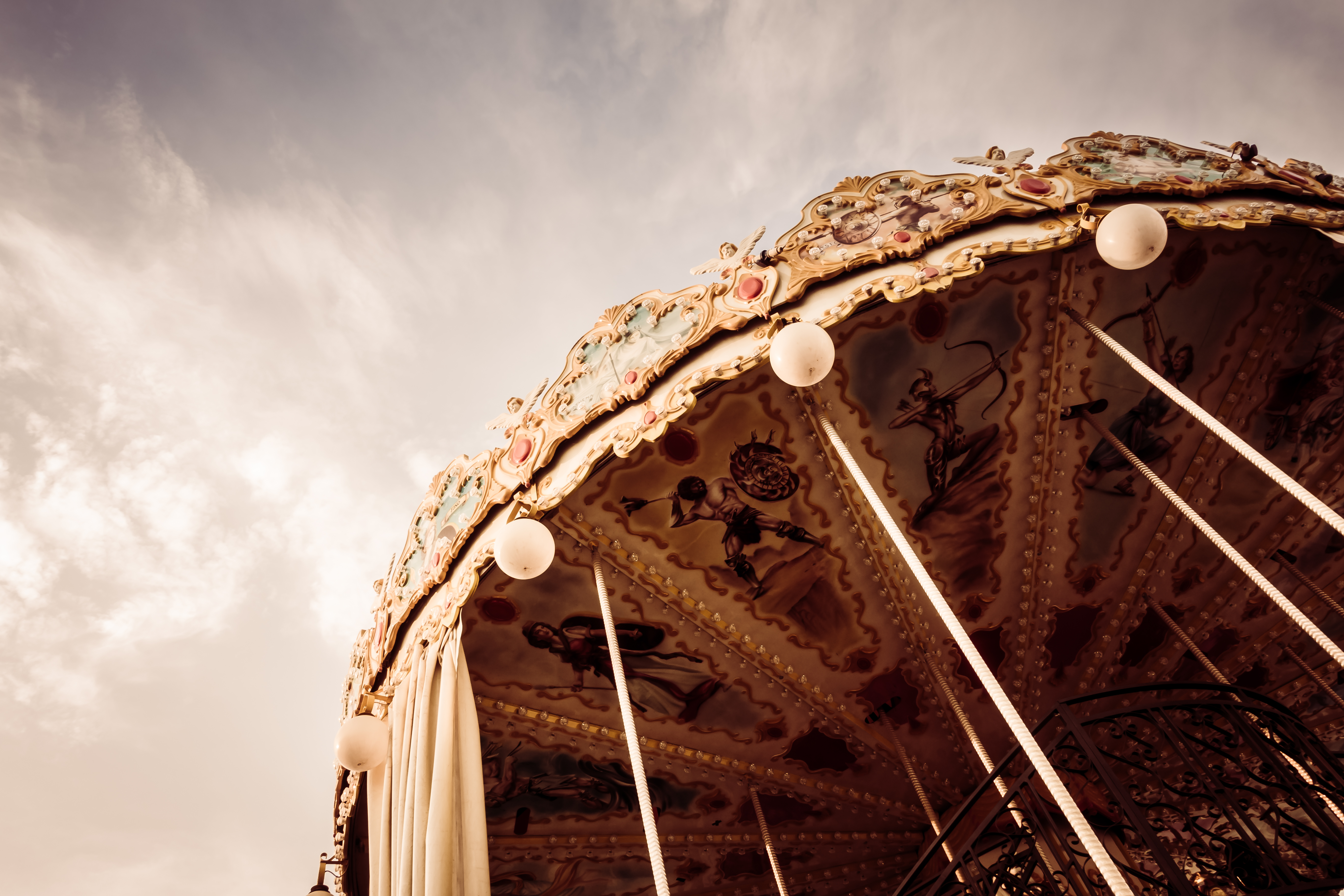
Carousel Under Thunderstorm by lifeforstock
When kids say they want to “run away and join the circus”, it's because the circus doesn't seem real to them. If they knew how much work circus performing actually took, kids would dream of staying home instead.

Roadfolk Caravan Tents by lunamarina
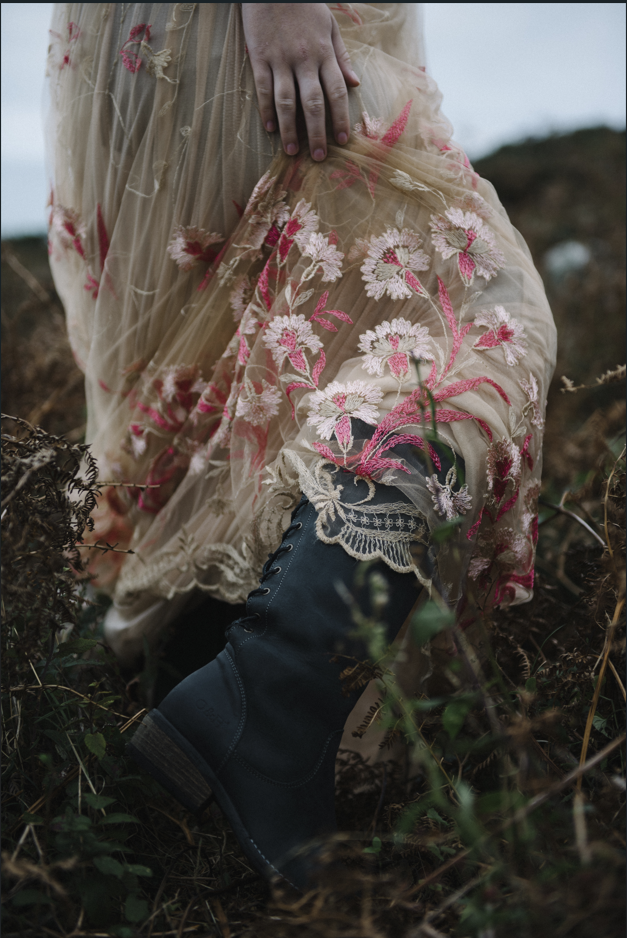
Roadfolk Fashion Dress and Boots by wirestock
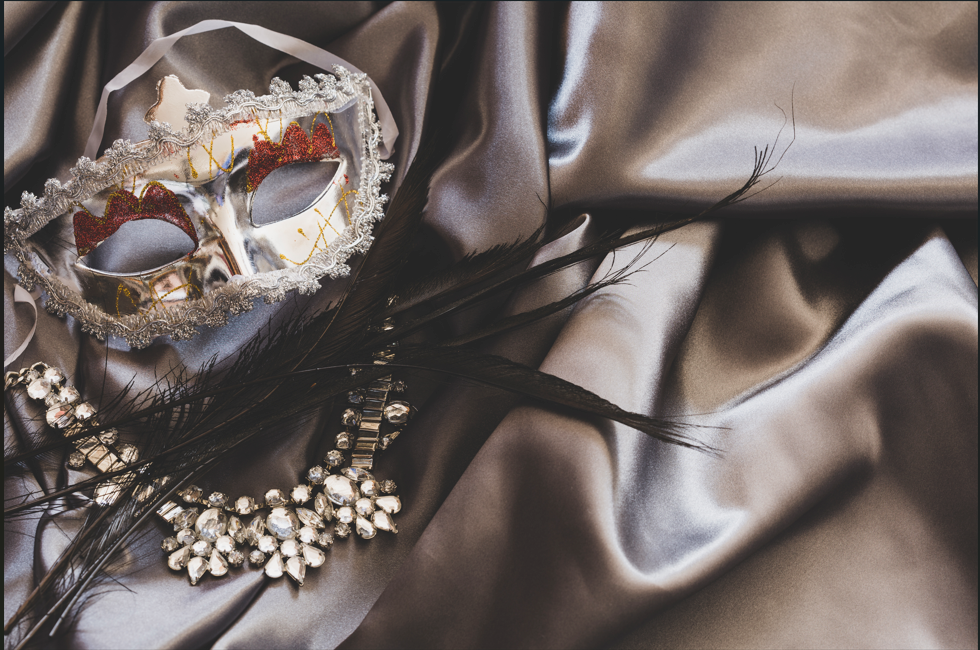
Stage Mask with Costume Jewelry by magnific
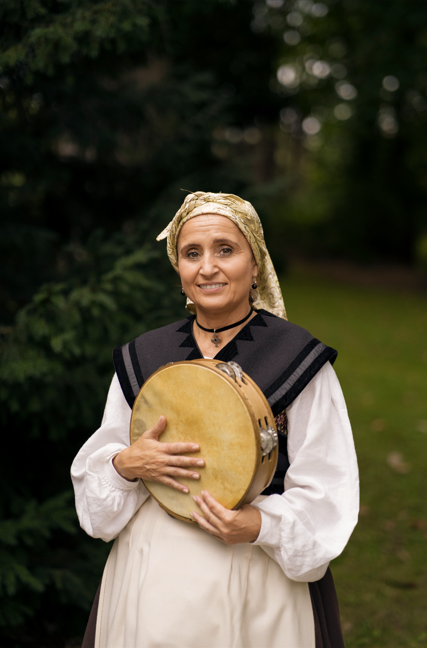
Roadfolk Tambourine Grandmother by magnific
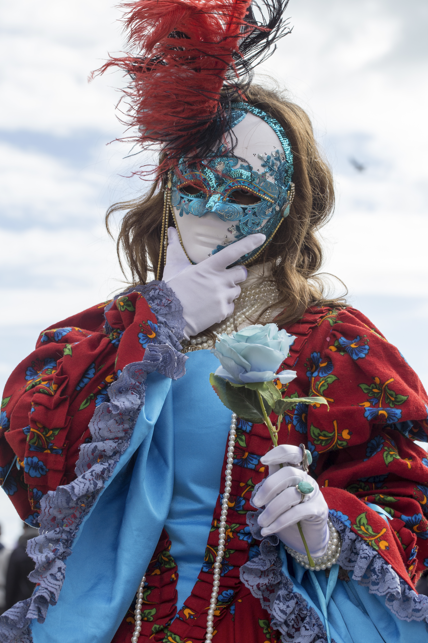
Masked Roadfolk Performer by wirestock

Roadfolk Ribbon Dancer by magnific
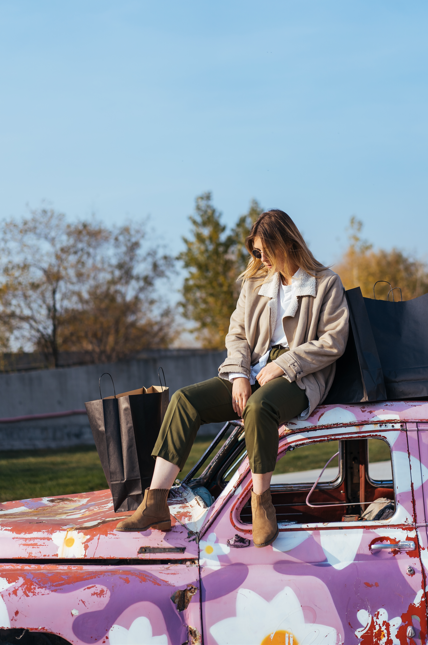
Young Roadfolk Sitting on Painted Car by teksomolika
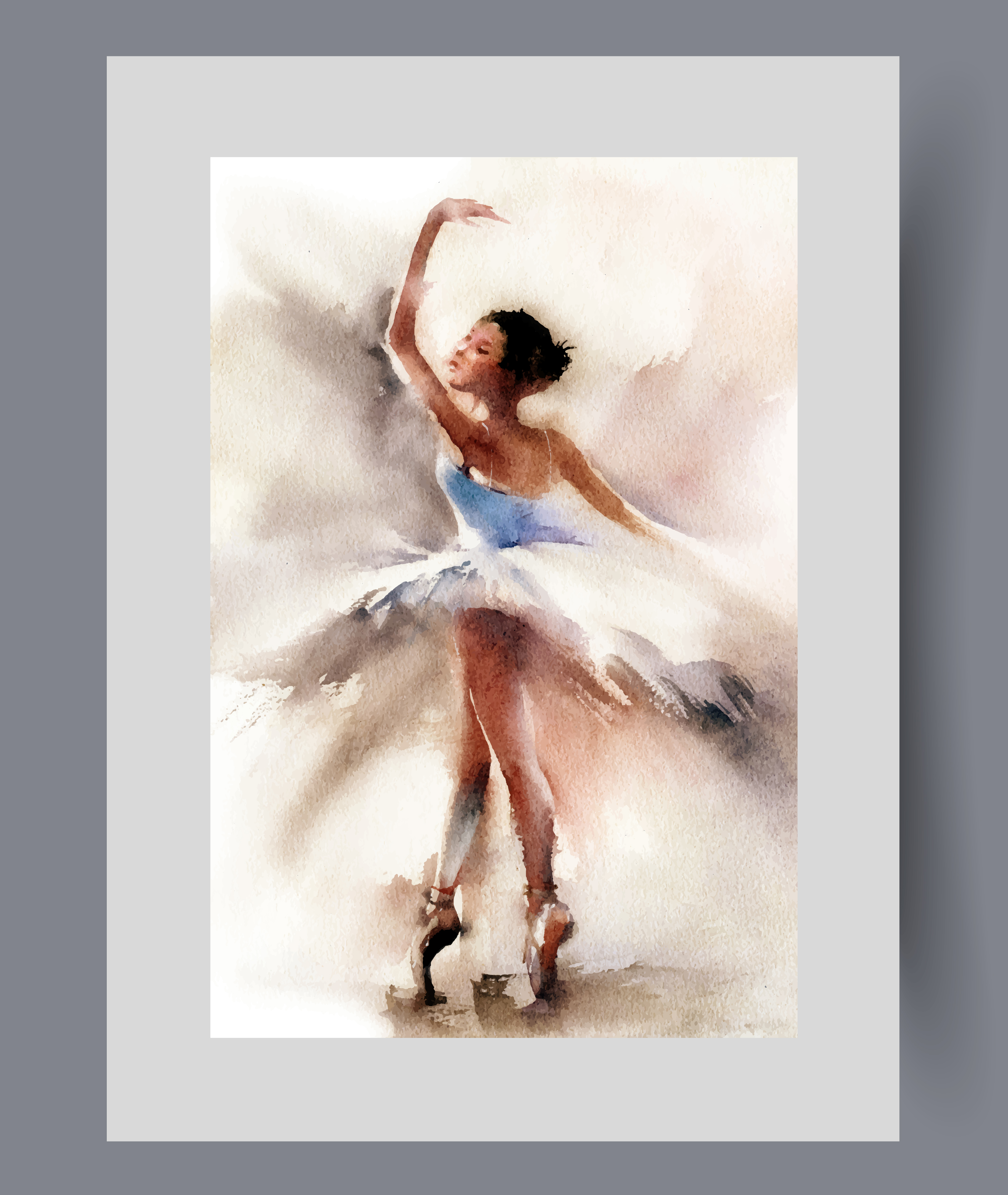
Previous Dance Performance Poster by Aprint22com
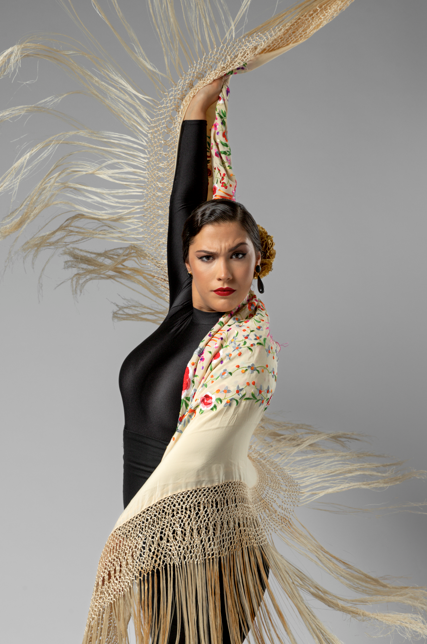
Flamenco Dancer "Swan" by magnific
Some people ask why I introduce myself as “Happy”, since that’s not really a common name. The reason is because Happy isn't my legal name; at least, its not the name on my birth certificate. It's my Circus Name.
I was born into the Roadfolk life and remained there until my mid twenties. I probably would have stayed if I didn't feel like I could better protect my family by joining one of the Literomantic Houses. My father was the one who gave me my Circus Name, back when I was thirteen.
I was a very, well, happy kid my entire childhood. That changed as soon as I hit puberty. Nobody expected the 'were' genes to pop out; it took over a year to figure out what kind of werebeast I even was. You thought normal teenage hormones were bad? Try dealing with them when anger makes your fingers turn into claws and you gain a permanent instinct to bite.
So at first, the name was ironic. The first time my father said, “Cheer up, Happy!” I had to physically restrain myself from biting him. I hated that name for years because I thought it meant everyone was comparing me to my pre-coyote self, and found my current self lacking. But after some real answers on my biology, a lot of therapy, and a truly absurd number of demolished chew toys, I grew to like it. Yes, it was a bit of a mean joke. But it's also the name my family gave me. And I have to admit that from an outside perspective, it really was kind of funny.
Vices
When talking about Roadfolk, the elephant in the room is their vices.The Roadfolk lifestyle is one of a glamorous outcast, but it is still an outcast lifestyle, and people who feel like outcasts in their communities are drawn to them. You’ll find a higher than average percentage of Roadfolk who identify as neurodiverse or queer, as well as those who hold a wide range of spiritual beliefs.
The truth is, a lot of people embrace the Roadfolk lifestyle because of how it tends to clash with the values of “modern propriety”. Sexual escapades, clubbing, excessive alcohol consumption, wild parties, and drug use are a common part of the lifestyle, especially at performance after parties when the adrenaline rush is still high. This is true for younger Roadfolk more than older ones, but even elderly Roadfolk know how to party.
Roadfolk have an unspoken rule that they don’t judge each others’ vices, since society already does enough of that. As they say it, if Uncle Jambo is cooking up some illegal moonshine in the back of his truck, the only reason you should confront him about it is if you also cook moonshine so the two of you can get drunk together to figure out who makes the better moonshine.
Roadfolk have an unspoken rule that they don’t judge each others’ vices, since society already does enough of that. As they say it, if Uncle Jambo is cooking up some illegal moonshine in the back of his truck, the only reason you should confront him about it is if you also cook moonshine so the two of you can get drunk together to figure out who makes the better moonshine.
Now, I’m not saying that being around a bunch of sexually adventurous adults during my childhood made me into some sort of sexual deviant, because that’s not how that works. But it taught me a lot about the options I had and that it was okay to be up front with what I wanted, even if that was nothing. And understanding the concept of “swinging” from a young age helped me process that it was okay to have crushes on several of my friends at once.
Still knew waaaay too much about my dad’s love life, though.
And more importantly, Roadfolk don’t judge each other for the vices they don’t have. Because Roadfolk have a reputation for partying, most people assume that’s all the lifestyle entails. It’s part of the reason a lot of newcomers leave after realizing exactly how hard the work is.
Outsiders also falsely assume that all Roadfolk are up for everything. One Roadfolk may think nothing of taking LSD but refuse to hook up with strangers, and another might drink you under the table but won’t smoke a joint. Because of this, Roadfolk almost never invite fans or groupies to their after parties. Any Roadfolk who invites an outsider to one of their parties takes direct responsibility for their actions, and any issues will reflect badly on them. This makes an invite to a Roadfolk party a great honor.
Discourse Within the Community
Of course, Roadfolk are not a completely homogeneous group. Even among themselves, there are different opinions on what constitutes a Roadfolk. Elitists say only those who live the nomadic lifestyle can be considered true Roadfolk, while more accepting Roadfolk allow for seasonal contract workers.Some Roadfolk also disagree on the usage of Circus Names in the general public. The more elitist of Roadfolk insist that Circus Names be reserved only for other Roadfolk. But this vocal minority is usually overshadowed by those who enjoy using their Circus Names as nicknames outside of their Roadfolk families.
Opinions also vastly differ on the use of social media in Roadfolk arts.
Many of the Roadfolk practice a type of performance art that, while traditional, is considered outdated. Many masters find themselves practicing a dying craft, with fewer and fewer apprentices every generation. Historical instruments, folk dances, puppetry unique to specific regions of the world: all of these art forms are slowly being supplanted by mass market entertainment.
In the digital age, some Roadfolk have turned to social media to fill this gap. With a good phone camera and a basic knowledge of video editing, it’s fairly easy to make a shareable reel for social media. A little harder to make it go viral, but not impossible with an understanding of marketing.
The Roadfolk who promote the use of social media say that it's a good way to share unique art forms. Educational videos and the wide reach of the Internet, they say, can do wonders for Roadfolk arts. But not everyone shares this opinion. There's a small but vocal contingent that maintains that seeing these performances live is still the only true way to appreciate them. Yet others complain that only the “showy” arts — like fire eating and acrobatics — find success online, leaving the less clickbait-able art forms to die out.
In the digital age, some Roadfolk have turned to social media to fill this gap. With a good phone camera and a basic knowledge of video editing, it’s fairly easy to make a shareable reel for social media. A little harder to make it go viral, but not impossible with an understanding of marketing.
The Roadfolk who promote the use of social media say that it's a good way to share unique art forms. Educational videos and the wide reach of the Internet, they say, can do wonders for Roadfolk arts. But not everyone shares this opinion. There's a small but vocal contingent that maintains that seeing these performances live is still the only true way to appreciate them. Yet others complain that only the “showy” arts — like fire eating and acrobatics — find success online, leaving the less clickbait-able art forms to die out.
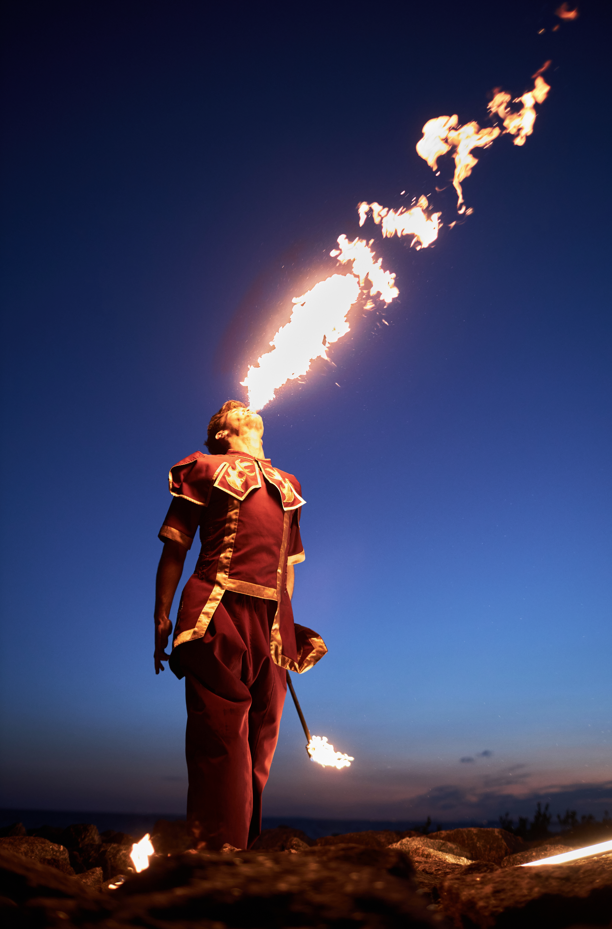
Fire Eater Social Media Post by seventyfour
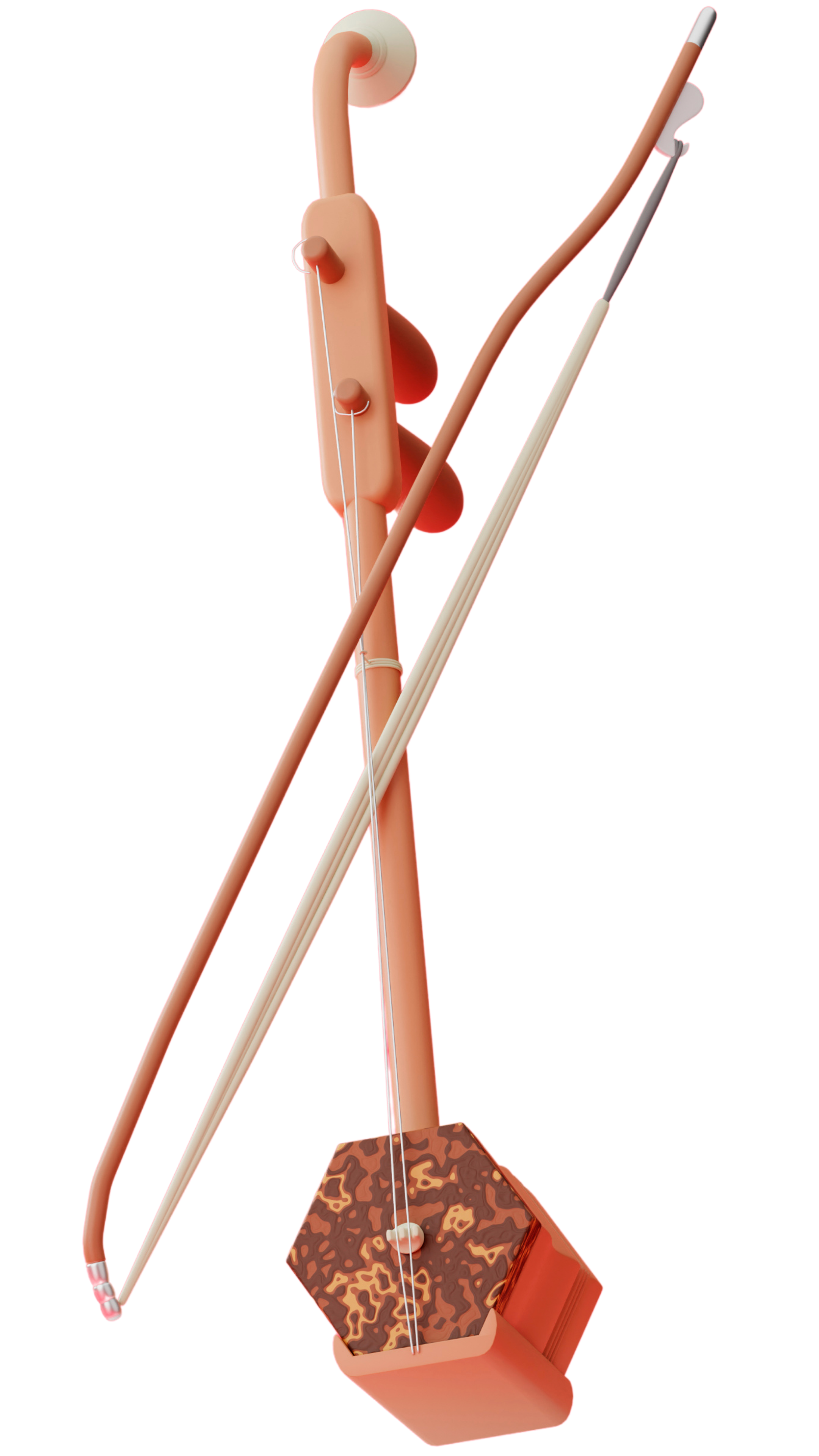
We called him Grandfather Ennis, even though I don’t think he ever actually had any children of his own. He was old when I was a child, and by the time I was an adult, he was older still. But until the day he died (of spite, they said, because age could never kill that tough old bastard), he was recognized as the best erhu player on the entire continent.
Grandfather Ennis was the sort of traditional musician mired in conspiracy theories, claiming that the recording industry had purposefully killed off rare instruments in order to feed simple slop to the uneducated masses. He complained bitterly every chance he got of this, to the point that even those who wanted to study under such a renowned master would rather go elsewhere.
My cousin was his last remaining student, stubborn to the end. She was sixteen at the time, so we still called her “Winnie”. She arranged a version of a popular video game theme and filmed herself playing it on the erhu. I’ve never seen Grandfather Ennis as furious as the day he saw the video go viral. He disavowed her as a student right there and then.
Grandfather Ennis's Erhu by magnific
But Winnie ended up making several thousand dollars from the video ad revenue, and nearly four hundred people showed up at our next show specifically to see the two of them. Grandfather Ennis, as proud as he was, refused to apologize. But he did take Winnie back as a student and even allowed her to film an entire “Masterclass” series for him, which was even better than an apology. And my cousin was known as “Spielberg” for the rest of her life.
Notable Roadfolk
In this modern age of Literomancy and the reoccuring Undead Horde, some Roadfolk caravans have chosen to hunker down while unrest rocks the world, but others continue to perform and only shelter during the Word Wars.- Birth Name Gwen Devereaux, Circus Name Happy. Has no Stage Name. Happy was a stage special effects technician with a focus in pyrotechnics before she joined House Ailurus. She is currently the Seneschal of Ailurus and does not actively perform or assist with Roadfolk performances.
- Birth Name Leander Devereaux, Circus Name Autumn, Stage Name "The Air Fairy". Father to Happy. Leander was an acrobat and dancer with a specialty in the arial ribbon. He retired from the active performance circuit due to a bad knee in 2024, but still continues to travel with his troupe, teaching, helping out at performances, and performing at special occasions.


Comments