



Powerleaf Cloth
Powerleaf cloth is the name given to a material that is the latest rage in fashion, especially in the Lapin and Ailurus Protectorates. However, the name is something of a misnomer. It is not a cloth. It is made from the leaves of a Power Plant tree.
Well, we had to do something with the giant leaves. They do fall off the tree from time to time. And it just so happens that it makes a really excellent thin leather substitute! All natural, breathes as well as cotton, and you can use it for just about anything you would use plether or nylon for. It even makes good tents.
Properties
Material Characteristics
Once it has been treated to turn it into a textile, powerleaf cloth feels something like an impossibly thin, smooth leather to the touch. Although it can be dyed to change its shade, it usually maintains a blend with its natural hue, so it is best to dye it with colours that blend well (ie. green leaves dyed with blue make cyan; orange leaves dyed with red or brown make a sienna, terra cotta, or ochre shade; red leaves dyed with blues make violet shades.)
Geology & Geography
Powerleaf cloth starts with the giant leaves of a Power Plant, which are only currently accessible in two locations: Stuart Lake, Lapin Protectorate, and Okiboji, Ailurus Protectorate.
History & Usage
History
Okay, this is great, Ro! I just have one question: what the hell are you gonna do with the leaves?Environmentalists hailed the development of the Power Plant as the herald of a new and better age. The giant trees, which had been created through Vivimancy by magically splicing redwood and maple trees, turned out to be every bit as effective as hydroelectric dams, and more effective than nuclear power plants, at generating electricity. This is due to the iconic shapes of the giant maple leaves, which harness wind power more effectively than almost anything else in nature. There was only one problem. Leaves fall off trees every once in a while, even if they don't lose their leaves every autumn. And these particular leaves were very, very big. Disposing of these big leaves was somewhat challenging. While, like any leaves, they could be used in organic compost, maple trees have a high level of tannins, leading to high acidity in their compost. Power Plant leaves are no different. Consequently, the pressure to find another use for the leaves was high, even among supporters of the Power Plant project. Fortunately, Princess Rowean remembered different ways of preserving leaves from the crafts of her childhood, and she experimented with a few of them. Saturating leaves in glycerin for a little under a week to preserve them turned out to be just as effective for these giant magical leaves as it is for their smaller cousins, and the first powerleaf cloth was born. Of course, the next question might be, where were they going to get the amount of glycerin needed to process leaves that large? The answer, conveniently enough, was that glycerin is a byproduct of producing biofuel. And like most of the The Great Houses, Lapin was already in the process of switching to biofuel when possible, due to greater accessibility in wartime, and diplomatic pressure from House Sauropoda.
So we're using a waste product, to process a waste product, to make what is essentially a vegan leather and nylon substitute? That produces almost no chemical waste? Sunny, who's your designer? I need to talk to them.
Cultural Significance and Usage
Wearing clothing made of leaves would seem to be on-brand for a House that is known for its "life magic", or a House that is associated with fae. Especially since these clothes are so sustainable. As a result, powerleaf clothing has become something of a status symbol, and it is not uncommon to see the Tome Knights of both Houses wearing powerleaf clothing at black tie events and diplomatic functions — or sometimes, even as part of their everyday wear.
Refinement
Giant Power Plant leaves fall off the trees, or are removed for health of the tree or the safety of the work environment. They are then submerged in vats of glycerin, which are acquired through trade or the production of biofuel, and shipped directly to the Power Plant site so that production can occur immediately. This prevents the leaves from dehydrating, or losing colour, before they are treated. Larger leaves will produce a thicker "cloth."
It is much easier to dye the cloth in the process of treating it, by blending dyes with the glycerin as the leaves are in the process of absorbing it. Sometimes this results in interesting variations in concentrations of the dye colour, which is absorbed through the leaf veins. It is, however, possible to dye the material afterwards with chemical dyes. Purists claim this defeats the purpose of the cloth, since it creates chemical toxins and waste products that must be disposed of.
Once the leaves are dried, they create a material that is supple, waterproof, breathable, and all natural, that is ready to work with.
Powerleaf cloth is durable and lasts for years, in part because of the trace amounts of silver within it.
Manufacturing & Products
Fashion designers create various items of clothing from powerleaf cloth, varying from gowns to jackets to footwear. The most respected designers use the natural veins of the leaves and other features to imply a "leafy look" with the resulting clothing. This is not strictly necessary, however. One could, if desired, fashion the material into a simple T-shirt or rainproof hoodie.
Since powerleaf clothing is in high demand, this tends to be its primary use, but Princess Rowean has also been known to fashion backpacks and tents out of the material.
Byproducts & Sideproducts
If not treated with dyes or other chemical agents, glycerin can be used in soaps and moisturizers once it is no longer needed.
Environmental Impact
Chemically-infused glycerin must be disposed of, just as any other chemical byproduct. Both Lapin and Ailurus have strict regulations that govern this process, minimizing environmental impacts.
For the most part, however, the entire process of making powerleaf cloth is a way to reduce environmental impact, rather than adding to it.
WIP
Streamer
Missing
Status: Location Unknown
Deceased
Status: Deceased Character
Retired
Status: Retired Character or Article

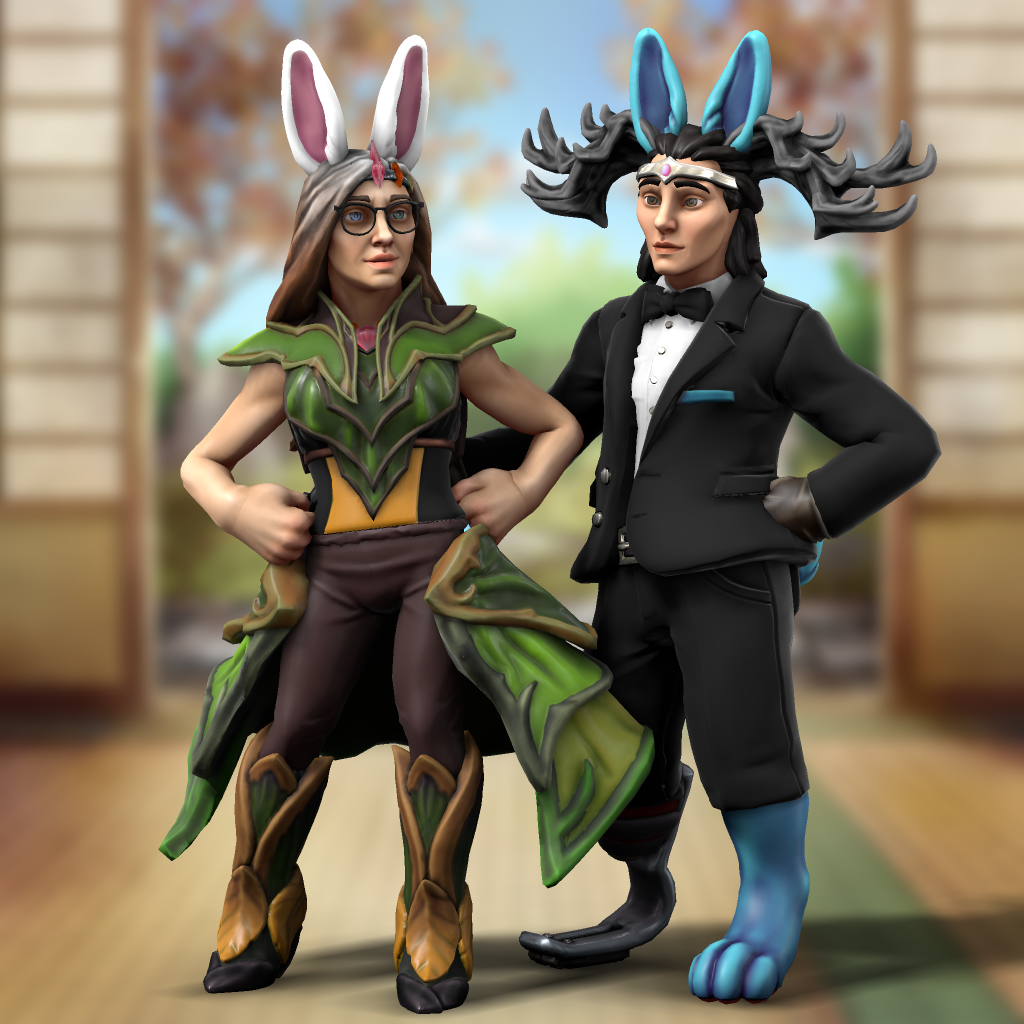
HRM Queen Sable and HRH Prince Jean at a black tie fundraiser for the Badger Trust, July 3, 2026 (courtesy LitWatch News)
Type
Textile
Odor
When properly treated, green growing things, cedar, and a hint of maple
Taste
Grassy, sweet with a faint evergreen undertone
Color
Ranges from bright green to deep red naturally, but can be dyed to take on complimentary shades
Related Locations
Related Technologies
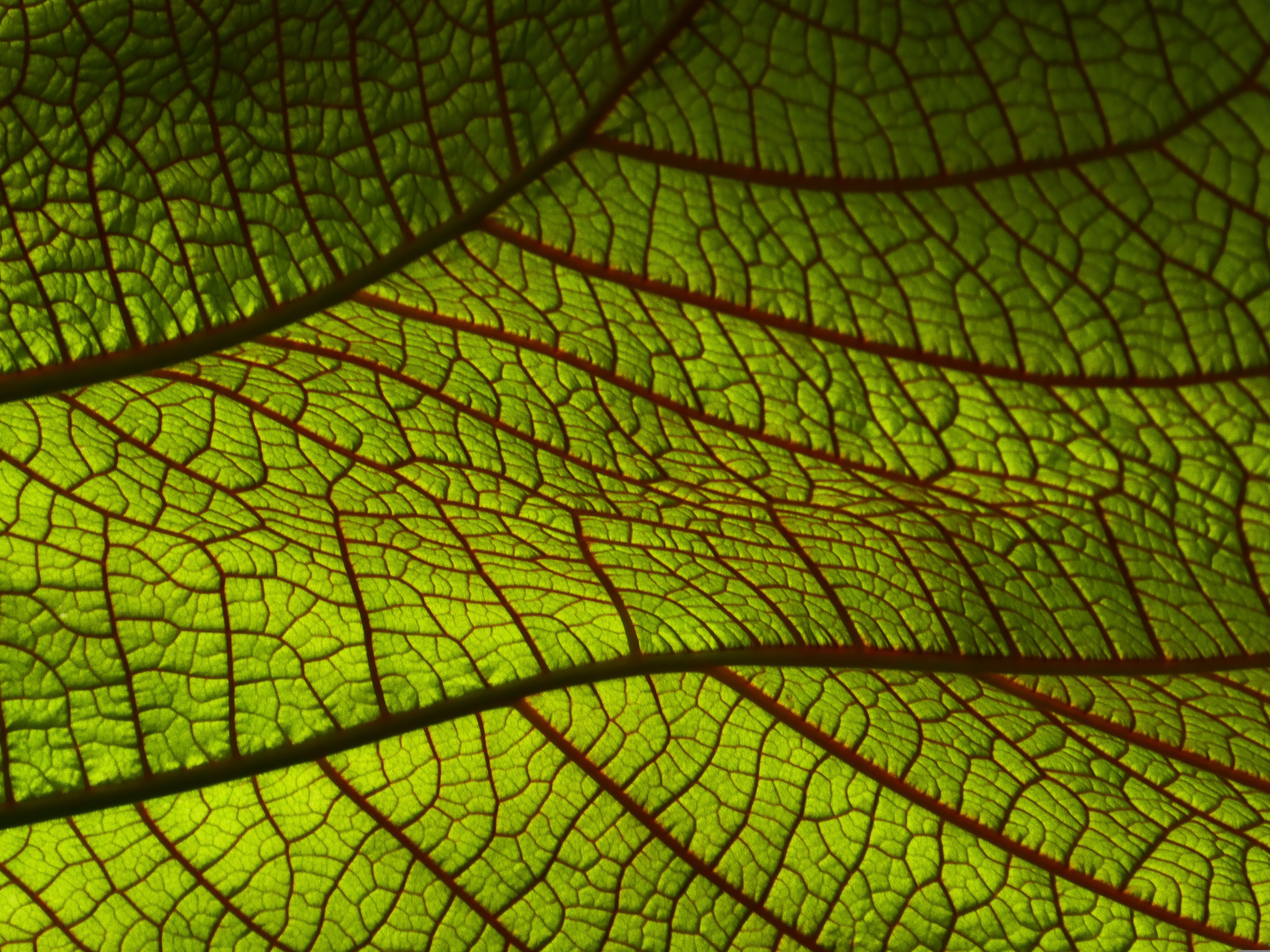
Close view of powerleaf cloth with red dye in its veins by Pixabay
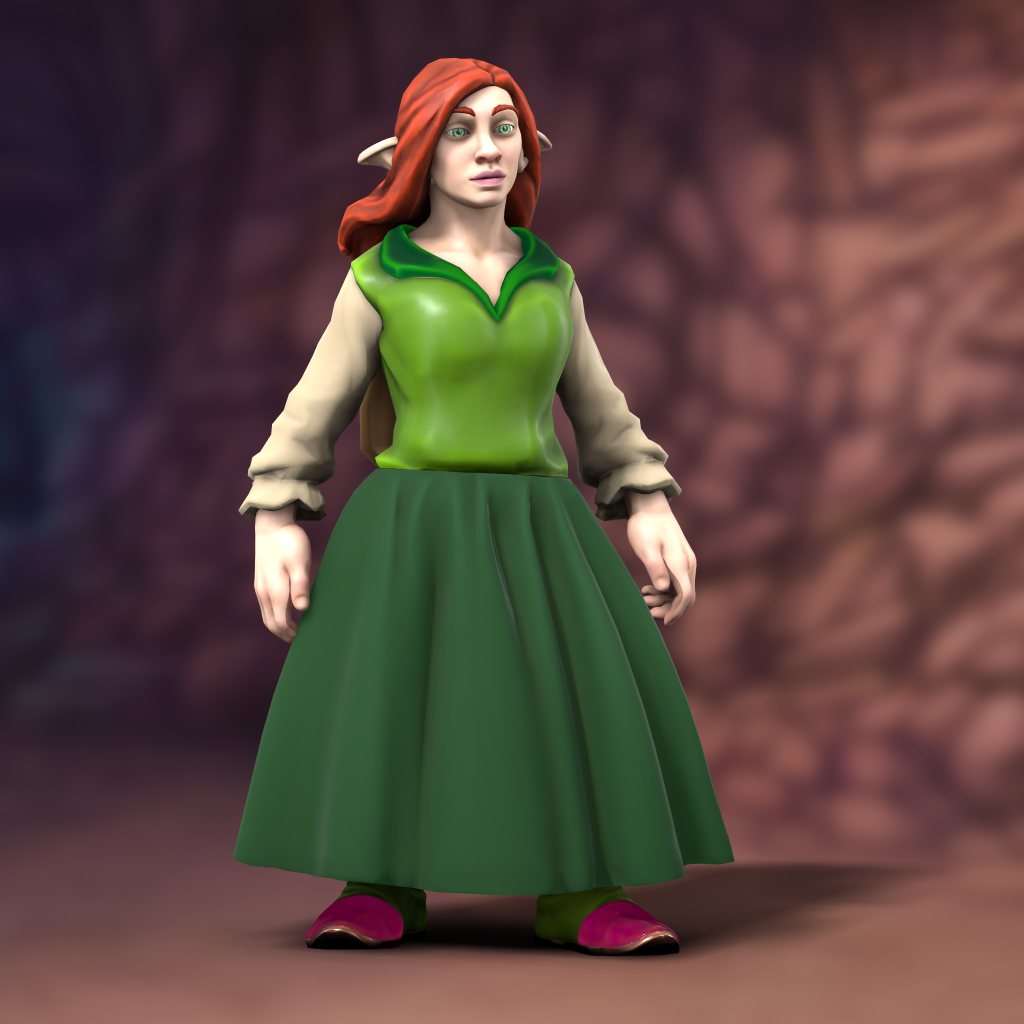
Princess Rowean commonly wears powerleaf cloth in her everyday wear by HeroForge (Rowean)



Comments