







Witch Bottle
A Witch Bottle is a traditional folk magic charm. A Literomancer fills a container with sharp objects, such as nails, screws, thorns, wasps with stingers, pins, or broken glass. In some versions of the charm, the literomancer writes their own name on a piece of paper, parchment, etc. and sets it amid the detritus. Traditionally, they then urinate into the bottle until it covers the sharp objects, seal it, and charge it with Literomantic Power, although some modern literomancer may use vinegar or some other liquid instead. The bottle acts as a "punch dummy ward" for the literomancer, taking negative magical blows that are intended for the literomancer in their place. Variants without the traditional urine are often used as offensive curse magic instead.
Effect
The more literomantic energy a literomancer imbues a Witch Bottle with, the more damage it can take, diverting curses and even direct magical attacks. When it has absorbed as much literomantic energy as it has been charged with, it ceases to function.
More advanced practitioners can keep adding literomantic energy to keep the bottle charged even after it has been created, or even produce a "reflection" effect that rebounds hostile magic onto the caster.
Side/Secondary Effects
If a caster is judicious, a Witch Bottle is a fairly low-cost spell literomantically. Especially if charged repeatedly over time, risk of Magic Drain is low.
Some sensitive literomancers can sense the presence of a Witch Bottle. It often gives off a "dark magic" aura because of the hostile magic it has diverted, even though the charm is not itself "dark magic." This might produce a sense of unease, or might manifest as a cold sensation, an odd smell, or a dark "aura smudge."
Manifestation
To all appearances, a Witch Bottle is just a sealed container, especially if opaque. When charging, the bottle glows for a short period of time with the energy the literomancer has imbued it with, but this fades after a few minutes.
Source
Literomantic energy from the creator of the bottle charm.
Discovery
Witch bottles, once called "earthen bottles," were first used in the 15th century by "cunning folk" to protect the subject from witches and curses. Through the principle of The Law of Similarity, the contents of the bottle "trick" a caster's magic into attacking the bottle instead of the subject. They became a quite commonly accepted form of defensive magic in the 17th century, when belief in, and fear of, witches was widespread, and they continued to see use into the 19th century. Early bottles were often German-made stoneware (like Bellarmine jugs, which featured a bearded face) or glass.
Common components included urine, rusty nails, pins, hair, nail clippings, red thread, and sometimes wine or herbs like rosemary. They were typically buried in the ground, hidden in chimneys, or placed beneath hearthstones or thresholds. Some were buried outside in the farthest corner of a property, while others were thrown into, or buried near, streams.
These bottles are still often discovered by homeowners or archaeologists behind walls, under floors, and in chimneys. Several modern literomancers, having backgrounds in Neopaganism or folk magic, learned of this charm and began making use of it in their literomantic practices.
WIP
Streamer
Missing
Status: Location Unknown
Deceased
Status: Deceased Character
Retired
Status: Retired Character or Article




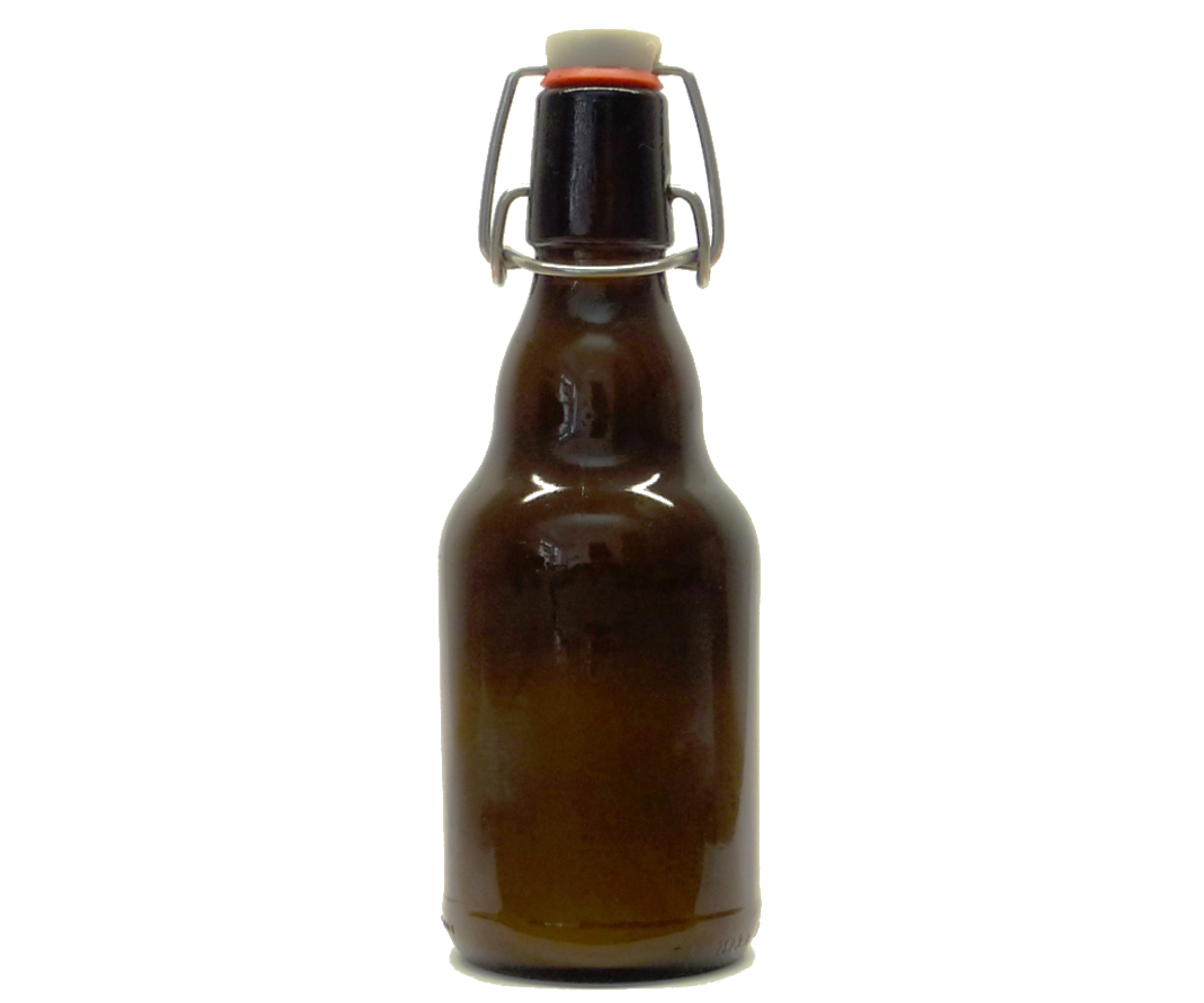
Witch Bottle by Pixabay
Witch bottles, after enchantment, appear to be innocuous sealed containers.
Material Components
This spell effect requires:
A container that can be sealed. Examples include a wax-sealed corked bottle, a Mason jar, a coffee can, a Thermos, etc.
Sharp objects to "catch" the hostile magic
For the "diversionary" version, the protected subject's urine, hair, fingernail clippings, or a few drops of their blood
For the curse version, fiery protective herbs or stones, an image of the subject and/or their written name, and if possible, some of their hair or fingernail clippings as well
Gestures & Ritual
Traditionally, the literomancer buries the Witch Bottle somewhere near where they live. Often, a rhyming charm is used to help empower the bottle.
Related School
Effect Duration
Ongoing until drained or destroyed
Level
Beginner to Master
Applied Restriction
Making a Witch Bottle can be risky. If it is hit with considerably more magical energy than it has been charged with, it breaks, and there is a risk of Magical Backlash.



Comments