



Versomancy
Magic of the Other Side
The world is only a mirror. You will only see in the world what you're prepared to see in yourself-nothing more and nothing less.
You can't fool the mirror-what you see is what you are.
My mirror probes down to the heart. I write words on the forehead and around the corners of the mouth. My human faces are truer than the real ones.
Try to argue with reality, and you will absolutely lose. But you can start a conversation and see how much it's willing to be forthcoming.Versomancy is the magic of the space between what is real and what is true. It is the signature domain of House Ailurus — chaotic, soft, fiercely loyal, theatrically dramatic, and just unhinged enough that nobody's quite sure if the bit is a bit. It reveals, reflects, and shifts. It looks like art. It is an art, in the old way of the word, and art has always been the most dangerous thing in the room, mostly because the people making it never stop being themselves while they do it.
Manifestation
Versomancers tend to be—
—passionate and theatrical. With "all the world's a stage" literally being one of their laws, they tend to treat the world as though it is exactly that. Life is a merry game — until it isn't. They absolutely do not understand most Vivimancers, who tend to laugh their way through crises and spend peacetime grumbling about their war wounds. Why on earth would you laugh in the face of suffering? And why would you waste time and energy complaining about anything when things are peaceful?
Almost by definition, they are free thinkers. Versomancers have neither the benefit of ancient grimoires, nor instinctive intuition, to guide them. They are making up the rules as they go along. But as a result, those rules have to be firm.
Versomancers can be difficult to get to know. Mindful of the mysteries of "smoke and mirrors," and especially aware of the vulnerability of the school of Glass, they often show a very different face to the world than they do to those they call family or friend. They are not unfriendly — quite the opposite, actually — but they hold outsiders at a distance. Once you have made it into their circle, however, you will never have a more dedicated, loyal, or loving companion.
It’s November. A woman walks into a business meeting with a man at the theatre, because somehow, you have to keep going, despite everything. Nothing visible happens. Just before the start of the play, he mentions something he had been holding back for years, something he never wanted to say, but…The room felt safe. It felt like the right moment. It felt like she already knew. He feels better afterward.
The curtain lifts. Shadows creep over the stage with nothing to cast them. Shimmerling lights dance through the chair rows, following an invisible pattern. It’s just a trick, just some illusion, but the darkness is just a bit too dark, the costumes feel a bit too real. The theatre shouldn't be this cold just because the play is set in winter.
A performer takes the stage. The audience came expecting entertainment. What they get is harder to name. It is as if the worry and fear they had tried to escape tonight being here raises, in all of them, with every line. They get to feel it in a safe space, with somebody else solving it for them. Something in the performance found the exact frequency of their particular sadness and rang it like a bell. They go home with tears in their eyes and a lighter heart.
Beyond the safe walls, a scout moves through enemy territory at night. The undead walk past him without turning. They read him as one of their own: cold, still, present on the wrong side of the threshold. He knows exactly how long he has. He knows exactly which direction leads back. He knows what he is. That's the whole trick.
Versomancy is, by nature, subtle. Often, you don't realize it's being cast around you until the effects have manifested. A lot of it is based in perspective, and it's hard to pinpoint a moment at which one's perspective has shifted. When it is accompanied by recognizable manifestations, those might take the form of distant tinkling bells, music, a shift in the shadows or a change of illumination, soft whispers, pixie dust, shifts in emotion, or smoke and mirrors.
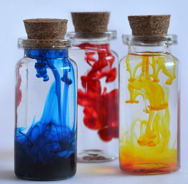 Before any bigger ritual working, there is preparation. Chalk and charcoal for Smoke. Pigments and dyes for wall-marking. Masks and props for Glass. Instruments or something else to keep rhythm and time for Reverie. Poison for Crossing.
The formal term is Materia. Older practitioners call it the Apothecary, a holdover from when pigment-work and poison-work were the same craft. Most Ailurus members just call it Backstage. Taken very seriously. A practitioner who can't be bothered to grind their own chalk or measure their own poison might not be aware of what they are about to do. The making is part of the knowing, especially for Crossing. No one is pulling jelly shots over here.
Versomancers tend to be crafters in their freetime, too, not because the magic requires it, but because the habit helps them stay grounded in reality.
The Central Rule of Versomancy
Just because it's real doesn't mean it's true. Just because it's true doesn't mean it's real. Just because it's not real doesn't mean it's not true. Just because it's not true doesn't mean it's not real.
Versomancy is strongly based in the realization that one's reality depends greatly upon one's perspective and internal truths. But feelings are notoriously fickle and are not always based in reality. However, reality can only be perceived and experienced, so it is impossible to completely separate one's feelings and the reality one experiences. "Facts don't care about your feelings," but what those facts mean, and how you interact with them, entirely depends on your feelings.
The Law of the Mirror
Creation is reflection is confession.
Whatever you make reveals something true about you. You cannot cast something that doesn't leave your fingerprints on it, may it be your fears, your obsessions, your interior truth. The illusion you build says something about you. The emotion you put in a room is one you're capable of feeling. You made it. It tells on you. There is no such thing as a neutral working.
The Law of the Stage
There is no position outside your own working.
All the world is a stage, baby! What you cast, you experience. The mirror doesn't get to choose what it reflects. The weather system doesn't get to stand outside the storm. Whatever you do to others counts for you too. One of the reasons most Versomancers prefer to bring joy and laughter with their craft.
The Law of the Tightrope
Always one foot on the ground, one in the abyss.
Every Versomancer exists slightly outside consensus reality. This is the prerequisite, not the side effect. This line has to be accepted and walked. You must never mistake the tightrope for the falling.
The Law of the Way Back
Know what is yours before you touch what isn't.
Everyone has their own reality. The small differences are what makes Versomancy work, but also what holds the caster. The only protection Versomancy offers is self-knowledge brought to the working before it begins. Lose the anchor and the magic doesn't stop. It just tears you with it and leaves nothing behind.
Perhaps somewhat ironically for Literomancers who work with perception and illusion, manifested powers tend to be extremely precise. However, those who know will recognize that this is an absolute necessity by definition. As a result, there seem to be a lot more powers than might be associated with other domains. This is not exactly true, it's just that most of the effects have less "wiggle room."
Unlike the practitioners of many other domains, Versomancers use tools to ground themselves before venturing into the mists of a magical "working." These tools take two forms: Anchors, which are a source of internal focus, and Materia, which might be described as "material components" by RPG gamers.
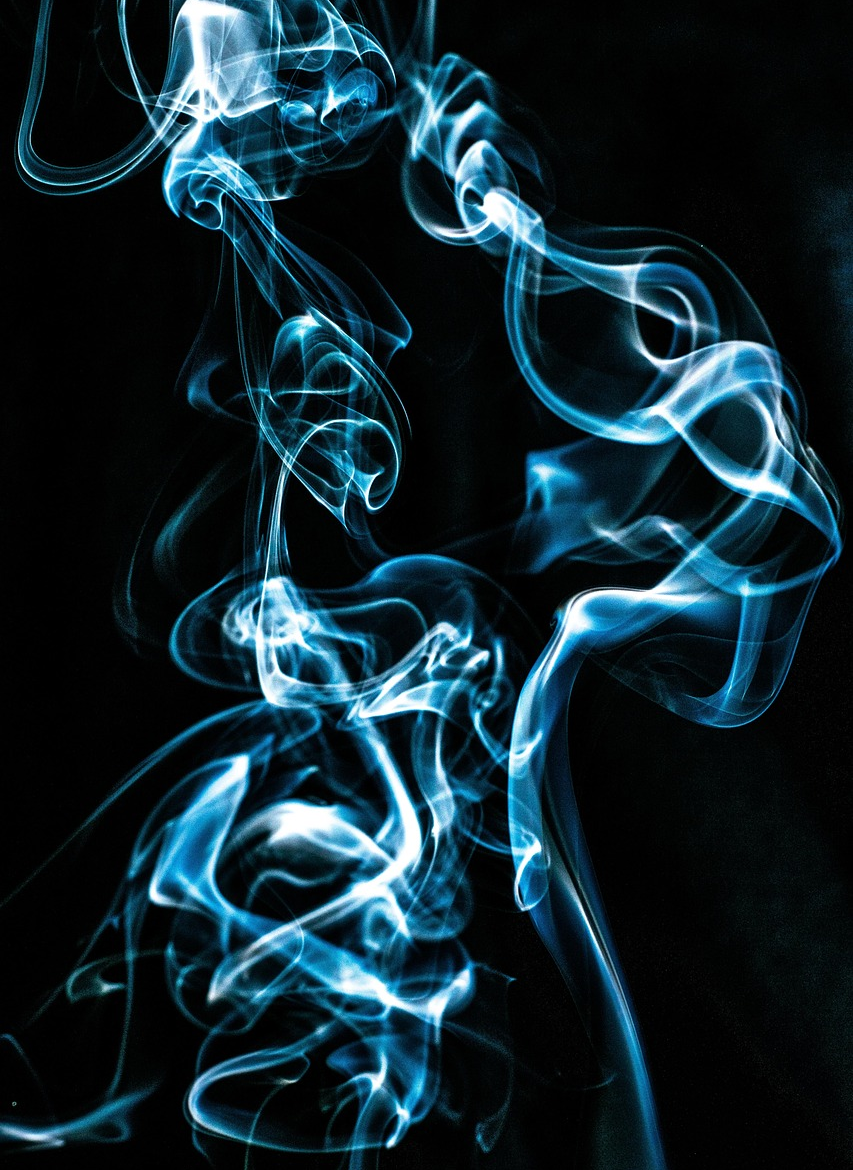 Smoke works with perception: the gap between what is there and what is seen. It constructs images, shifts appearances, obscures and reveals. The practitioner holds two states simultaneously: the real shape of things, and the constructed shape. Without confusion. The moment a Smoke practitioner loses track of which is which, they are just as lost in the illusion as the rest of the world.
Anchor: Drawing and strict geometry. Smoke's anchor is about seeing accurately. It helps to construct something so geometrically precise, so stubbornly specific, that it couldn't possibly be part of an illusion. A magical CAPTCHA. Something the unreal has a hard time replicating because it is too specifically itself.
Beginners work within a circle of chalk or charcoal. The circle isn't magical. It's a test: can you see where it is? Can you stay inside it? When the illusion blurs the edges of things, the line on the floor remains. That line is real. You drew it. You know where it is. Advanced practitioners tag walls before large workings to mark the real before bending it. The content of the mark matters less than the act of making it.
Unless otherwise stated, powers of Smoke are at least partially illusionary, and temporary.
Smokescript
Creates illusionary writing that is visible only to the intended recipient. Can be used to share notes and intel, but not lengthy novels or reports. (Shared with Aeromancy)
Flare
Creates a flashbang. Blunt, effective, relatively easy. (Shared with Pyromancy )
Close the Gap
Adjusts perception to close accessibility gaps: amplifies volume and clarity for the hard of hearing, provides text-to-speech for the blind, changes the font of books for dyslexic, live translation if the caster knows a language and the target doesn't. Probably the most-used Smoke spell in the House and taught to everyone. (Shared with Aeromancy)
Karaoke Night/Impact size 26
Renders subtitles or karaoke-style lyrics onto reality to match the current situation. The line between comedic and dramatic use is thinner than it should be. (Shared with Aeromancy.)
To the Salon!
Gives the caster a temporary, obviously fake facial feature or hair color. Was frequently used by Morgen the Many.
Illusions (smaller scale)
Constructed images or sounds, hand-sized to room-sized. (Shared with Aeromancy, sounds only.)
Cloud of Darkness/Smokescreen
Obscures an area completely. Zero visibility. (Shared with Pyromancy and Inanemancy.)

The Long Way Round
Makes a familiar path look subtly different so someone takes a longer route without questioning it. (Shared with Inanemancy.)
Borrowed Face
Makes the caster look convincingly like a specific other person, briefly. Passes a glance, not a conversation.
The Empty Chair
Makes an occupied seat look empty, or an empty seat look occupied.
Static
Fills a specific sound with believable background noise and erases any other sounds for people outside the area of effect. Often used in The Treehouse on the rooms of the polycule. For reasons. (Shared with Aeromancy.)
Couch Cushion Canyon
Makes the floor look like lava, a canyon, shark-infested water. Purely cosmetic.
The Good Lighting
Makes a room, or a person, look lit for a movie. No functional effect. Used constantly. Never admitted to. Pandas just look good <3 (Somewhat shared with Pyromancy, usually used for entirely different reasons.)
Wallpaper
Temporarily redecorates a room.
Standing Room Only
Makes it look like there's a much bigger crowd than there is.
Smokeband
With one real instrument, magically conjures the sound of a full band as backing. (Shared with Aeromancy, and might be innate to any form of filking magic.)
Illusions (large scale)
Building-sized, dinosaur-sized. Holding the seam requires complete anchor internalization. Used by The Bard with Many Names during the assault on Mesa Mitchell during The Sixth Word War.
Read the Smoke
Reveal an illusion with a momentary distortion, like a ripple. The caster, with enough logic to back up the suspicion, checks for the presence of an existing illusion. Must be someone who is familiar with the Smoke School of Versomancy, and the spell may not work if the castor of the illusion is more skilled in Versomancy than the caster of Read the Smoke. Invented by Ailurus Seneschal HappyHappySad.
Missing Step
A visual displacement. Move the edge of the cliff two steps to the left. Don't fall <3 (Shared with Inanemancy.)
The Flinch
The caster constructs an illusion with a specific physical property (heat, weight, sharpness) and for approximately half a second, that property is genuinely present in the world. An illusion of fire that actually burns, briefly. The visual was always fake. The consequence, for one beat, wasn't. Possibly limited to Xalafan and Archon The Bard with Many Names.
Don't make the GM cry.—Bard
Is This Real Life, Is This Just Fantasy
Illusions so real, so lifelike, that it's incredibly hard to distinguish them from reality, even if you know they are. Minimal range. The more powerful the illusion, the less time it can last and the less distance it can effect. Glitter illusions can last for hours. an illusion of fire, only seconds. The more impact it has, the more likely someone is to see through it. For example, while a person might believe a feather is actually tickling them, it can cause no pain and no real physical sensation. The brain fills the gaps, but can only go so far, like the hammer to the hand trick with the mirrors. The brain thinks the hand is hurt, but it is not actually injured. May be limited to Foxx alone.
 Glass works with interior truth: what people actually are underneath what they actually show. Their grief looks like grief. Anger looks like anger, and joy looks like joy. Whatever is being hidden sits on the surface where everyone can see it, Including the caster.
Glass doesn't editorialize. It doesn't select. Whatever truth it pulls from another person passes through the practitioner first where they have to face their truth about it, too. Cast it on one person and you carry one truth. Cast it on a room and you carry the room.
Glass requires consent. This isn't an ethical guideline laid over the magic. It's structural, inherited from the Fae bargains the school descends from. A working without consent doesn't fail quietly, it falls back on the caster double and thrice as dangerous.
Glass is also permanent where Reverie is fleeting. Reverie is weather — it moves through and passes. Glass excavates, shows identity. It is often called the “therapy school” as a joke.
Anchor: Acting and emotional technique. Glass asks two things simultaneously: wear a self that isn't yours, and know at every moment that you're wearing it. But the anchor isn't only about identity, it's also about load-bearing. Glass pulls genuine terror, genuine grief, genuine shame out of real people. The practitioner is the medium it passes through. They feel all of it, too.
Not just access to emotion. Controlled access. The ability to open, feel, hold, and close. To let something move through you without taking up residence.
The moment an actor forgets they are acting, the performance is over. The moment a Glass practitioner forgets they are reflecting, they are drawn in and overwhelmed themself.
Group Chat Energy
Everyone in a room briefly sees each other's actual current mood as a visible color or aura. Consensual, chaotic, often hilarious, but also good if somebody needs space and doesn’t want to talk about it. (Some crossover with Reading the Room from Theamancy.)
Spill the TEA
For a short duration, the target cannot maintain a polite fiction. Banned, by House custom, during game nights.
The Receipts
Shows someone exactly how they looked the last time they swore they were fine. Mostly used lovingly.
Mirror Match
Two consenting people temporarily see themselves through each other's eyes.
Mirrored Hearts
An empathic connection with another person which allows them to be aware of that person's general health status and emotional state. This power often just "happens by accident," but the creature so connected must at least be subconsciously willing. (Shared with Vivimancy )
Advanced practitioners are immediately aware if this person is in danger.
Masters have such a powerful connection that they feel wounds and emotions from that person as if they were experiencing them directly. Occasionally they might even get telepathic flashes.
The True Face
Makes visible what a person actually is underneath what they present. Cannot be cast selectively. If the room sees it, the caster sees it too. Considered quite impolite in Ailurus, and is not advised to be used near Faetouched or Voidtouched.
No Words Left
Allows the caster in to read surface feelings and thoughts. Often offered to people that go nonverbal or can’t find the words to express what they are going through. (Some crossover with Fluent in Gibberish from Inanemancy. Some crossover with Reading the Room from Theamancy)
The Understudy
Caster temporarily takes on someone else's emotional role in a group dynamic so the actual person gets a break. Genuinely kind. Exhausting for the caster.
Seeing Double
Shows the target a version of themselves from a few years ago, standing next to them. No judgment. Just a presence. Often used in therapy.
Step Through the Looking Glass
The caster moves between two reflective surfaces — mirrors, windows, phone screens, dried oil paint, whatever holds a reflection, thus moving almost instantly from one location to another. Nobody who's used it talks much about what it looks like from inside. They still have to ask consent to enter a room that is not theirs. Likely how Bard instantly appears at windows. (Requires Reverie proficiency, has a lot of parallels in other domains, but the mechanisms are distinctly different.)
The Portrait
A sustained reflection of someone's interior truth through art for others to experience. Called “Fae Art” for its side effect of pulling you in. Often practised by Xalafan and The Bard with Many Names (partially as therapy) and the reason Bard's Art Atelie counts as high security.
Be Part of Me
Ties part of your soul or life energy to an object, keeping it intact as long as the caster lives. Requires Vivimancy for living objects. Don't use it on your dead wife. (Shared with Vivimancy.)
Sekrits!

Shattered Angles
Shows the target every contradictory truth about themselves simultaneously. Considered deeply unkind. Technically not banned, but you better have a goddamn good reason.
Break the Mirror
A consensual working in which the caster removes a specific piece of someone's soul (grief, pain, a memory,) and places it in a small artefact. Without it nearby, the person eventually goes catatonic and soon dies.
Ask the GM before using this, thank you.
Kintsugi
"There is a crack in everything, that's how the light gets in." Through being broken, the Versomancer gains resilience which can then help make others whole. A common metaphor in trauma therapy, like the Japanese art of kintsugi pottery, when something is broken, instead of being discarded, or instead of trying to hide the cracks, the cracks are highlighted with resin and gold to draw attention to them, creating a whole new type of beauty, and even making the piece stronger than it was before. The Versomancer, through patience, kind words, empathy, and the wisdom of having been broken themself, can help put someone else's broken spirit back together. (Shared with Inanemancy.)
Let Me Carry It
The ability to take somebody's pain away by carrying it yourself. Might possibly be unique to the Bard with Many Names. Bard used this to carry the Hunger of his Horde in The Fifth Word War. Has always been done with consent…so far. One might wonder what would happen if somebody tore everything that ever hurt you out of you and left the rest behind.
 Reverie works with dreams and emotion, real feelings that exist in this specific moment. It shifts emotional atmosphere. Brings what is felt to the surface. The feeling is genuine. But a feeling unanchored to consequence floats forever. Reverie lives in the space before consequence lands. Stay there long enough and consequence stops feeling real.
Reverie is weather. It moves through and passes. Glass shows you the wound. Reverie is the ache of it.
Anchor: Music, specifically because music ends. A song has a shape: beginning, middle, final note. You feel everything inside it and then it stops, and the stopping is built in. You cannot get lost in a song that has an ending. Annoying timers are also often used as a hard break.
Lullaby
Guides someone into genuine, safe sleep.
Dream Diary
Allows the caster to remember their own dreams with perfect clarity upon waking. Sounds minor. Becomes essential for Reverie practice, because your dreams are extremely honest about you.
Pillow Fort Protocol
Makes a small enclosed space feel emotionally like the safest place in the world, briefly. (Shared with Ordermancy. Some crossover with Calm Mind and Gift of Presence from Theamancy.)
The Hype Song
Fills a room with the specific energy of "we are about to do something incredibly stupid and we're all very excited about it." (Shared with Anarchimancy .)
Grandma's Baking "Panda Baking Magic"
Folds a genuine emotion you have in your heart into the dough/batter of your baking. The person who eats the baking feels an echo of it. Turns out the secret ingredient is, in fact, love.
Goodnight Moon
Sends a specific simple feeling (a color, a warmth, a presence ) into a sleeping person's dream. Not complex, not narrative. The Reverie equivalent of leaving flowers at someone's doorstep. (Shared with Inanemancy.)
The Cooldown
After something emotionally intense, brings the emotional temperature of a room down to something survivable. Doesn't erase the feeling. Just stops it spiking further. (Some crossover with Calm Mind and Gift of Presence from Theamancy.)
Borrowed Calm
The caster lends their own emotional state to someone else temporarily. Costs the caster their calm in return. Often used before big spells and important powerpoints. (Some crossover with Calm Mind and Gift of Presence from Theamancy.)
The Recurring Root
Identifies a dream someone keeps having and finds the emotional root of it. The caster feels what the dream is circling without being able to articulate it either.
Shared Sky
Two consenting people share the same dream space while sleeping. They don't control the dream. They just both show up in it. (Shared with Inanemancy.)
The Interpreter
While someone describes a dream aloud, the caster receives it as if they dreamed it themselves. Allows help from the inside rather than the outside. (Shared with Inanemancy.)
Light Sleeper
Keeps the caster in a half-present, half-dream state simultaneously. Useful for keeping watch while resting. Inadvisable for more than one night in a row.
The Understudy's Dream
Plants a specific emotional scenario in someone's sleeping mind so they can practice feeling something in a safe space before facing it awake. Requires consent. (Shared with Inanemancy.)
Waking Dream
The target experiences an emotionally complete dream sequence while fully conscious. They know it isn't real. They feel it anyway. Duration is always set before casting. Always. (Requires Glass proficiency and consent.)
The Replay
Lets someone re-experience a specific memory's emotional shape to understand what they actually felt versus what they told themselves they felt.
Encore
Extends a good moment by a few extra seconds, letting everyone present feel it just a little longer before it ends naturally.
Wide Awake
Brings someone out of sleep, sedation, or Reverie-drift completely and immediately, without grogginess. Getting it wrong hurts.
Dream Geography
Maps the recurring emotional landscape of a person's dream life over time. Requires multiple sessions and considerable trust. (Shared with Inanemancy.)
The Long Dream
Keeps a person in restorative sleep far longer than natural sleep allows. The caster stays present the entire time, holding the space. Cannot be cast on oneself. (Shared with Inanemancy.)
The Weight of It
Removes the buffer between a person and what they already feel. Does not create false emotions. Has absolutely been used as a punishment spell.
Princess Luna (also known as "Dream Warrior")
Walk into other people's dreams and say hi! Help them meet their fears. Thus far has been unique to Mykola Lapin-Void. (Shared with Inanemancy).
Cuddle Magic (Reverie/Glass combined; House Ailurus Reserved)
When House Ailurus truly comes together, in the same space, present for each other, whether in a cuddle pile or around a table with stories or in a shared working with no goal except being here, something happens that neither Reverie nor Glass can achieve alone. Reverie reads the emotional weather of everyone present. Glass sees what everyone actually is underneath what they're performing.
Together, the working finds where energy is pooling and where it's depleted, the overstimulated and the exhausted, the burning too bright and the going out, and begins, slowly, to level it. Nobody is emptied. Nobody is filled against anyone's will. It moves like water finding its own level, if water also told you it loved you and offered you a snack. What remains: a small warmth in the chest. Not euphoria, just the specific feeling of having been seen and having stayed anyway.
A spark the Pandas can share with the rest of the world. Something to carry forward. It is Reserved not because it is dangerous, but because it requires the House to be genuinely, vulnerably present simultaneously. You cannot do it halfway. The Glass component will notice, and so will everyone else. (See article link.)
 THIS SECTION HAS BEEN REDACTED BY THE AILURUS PROTECTORATE FOR SECURITY REASONS BY ORDER OF THE FERALS.
This school is not known to the other Houses, and details are given on a need to know basis.
It's the stupid dangerous sh*t, yall.
Also, CONTENT WARNINGS all over the place: death, undeath, poison use, taking stupid risks with one's life
Push it down and you become less here. Cold. Still. Read by the dead as one of their own because you genuinely are less alive than you were a moment ago, by a measurable amount. The undead aren't fooled. You actually changed.
Coming back is the hard part. The dial doesn't move back on its own, and pulling it back costs something every time. Practiced Crossing casters tend to be unusually present in daily life — alert, grounded, sometimes uncomfortably attentive. They know what "fully here" costs to get back to. They don't waste it.
The Tariff is how you force the dial to move. Poison makes the body start fading on its own. The magic widens the gap the poison already opened and brings the practitioner back through it before the poison finishes the job. If the magic is fast enough, you cross and return. If it isn't, you're not a Versomancer who failed. You're just dead. Or undead. Or Scattered. Pick your poison, honey.
Anchor: None. Nothing from this side reliably holds at the threshold. What practitioners develop instead is an orientation. Some find things that help. A heartbeat monitored or a held breath. A reminder where you want to return to.
Special Limitation: Except where it directly overlaps Necromancy, this school ceases to function when a Versomancer becomes undead. The magic works through dancing on the threshold between life and death by definition. Once you have passed through the threshold, there is no turning back.
Cold Feet
Lowers here-ness just enough that the caster's hands go genuinely, noticeably cold. Used as a parlor trick. Very effective for bets or to annoy your partner.
Cold Reading (unfortunate name, much loved)
A brief here-ness dip that gives a vague temperature-read on whether a place or object has history associated with death or undeath. Just a yes/no and a chill. (Shared with Necromancy )
One Foot Out
A tiny, controlled here-ness dip used to phase out of an awkward conversation for a few seconds. Notoriously overused during House meetings.
Snack Plate Reprise
A small Circle of Hunger variant used as a bit (with consent) to make someone feel briefly interesting to a very small, harmless undead creature, such as an undead LitMon (note that non-sapients cannot be undead.) Mostly used to mess with people who claim they're not scared of anything. (Shared with Necromancy).
Borrowed Time
Here-ness flattens for a few hours. No tiredness, no hunger, reduced pain for an evening. The body keeps tabs on what it is missing. The hangover afterward is real and unpleasant. Keep it up too long and you die, or get a mean UTI.
The Long Goodbye
Lowers here-ness just enough to sit with something dying and be read as kin for a few minutes. Used for comfort, at funerals, in hospice situations. Quietly one of the most requested Crossing spells in the House.
Sour Draught (Spoiled Milk)
Makes the caster taste and feel wrong to the undead. The bite still does its damage, but something about the caster makes the undead recoil and disengage. Not protection from harm, but protection from being held. Also, it makes it possible for them to bite undead safely. It’s still not tasty, but it’s possible.
Eye of the Cougar
Lets the caster see ghosts. Simple, useful, named with absolutely no specific person in mind. (Shared with Necromancy).
The Wake
A small, deliberate dip in here-ness performed together as a group to mark someone's death. Mechanically almost meaningless. Emotionally enormous.
Captain Hook
Sacrifice a bodypart. It will not come back, even though magic. But if you are fast enough, it might save you from poison or a zombie bite, or that one boulder you are stuck below. (Shared with Necromancy.)
Cold Touch, Still Heart
Convincingly mimics undeath; the undead read the caster as one of their own. Queen Sable's "Pulse Ward" will also affect the caster for the duration. Time-limited. Staying too long risks becoming what you're mimicking. (Requires Smoke proficiency.)
Who Goes There? / Circle of Hunger
Suppresses Undead hunger for one scene through Fae promise. Binds all parties equally, caster included. The moment anyone plans to break the promise, everyone in the circle feels it. (Requires Glass proficiency and Faetouched. Shared with Necromancy).
Ban-Circle
No Undead in, no living out. Locks the caster as thoroughly as anything else. Requires constant energy to keep up while you sit on the silver platter.
Swansong
The caster converts all remaining lifeforce into Literomantic Power and disperses completely — not even The Iron Tome can reassemble what's left. If the caster wishes, a small piece of art remains as a final goodbye. Creation is confession. One last time, with nothing left to lose by being honest. YOUR CHARACTER IS REALLY F*CKING DEAD AFTER THIS!
Cup of Sokrates
The Tariff in its crude, original form. The caster drinks poison and exists as functional Undead with free will for twenty minutes. Followed by 10 minutes of blind slaughter. Followed by normal undeath (November) or full death (any other time of year).
Last Farewell
Meet somebody who is gone at the threshold to say your final goodbye. Don’t stay too long or you will join them. (Shared with Necromancy).
Ask the GM before using this power.
Inanemancy and Versomancy
The astute will have noticed a lot of crossover, especially in the schools of Smoke and Reverie. This is likely due to Princess Mykola and Prinx Foxx, who are Voiders, having taught what they could from their relationship with The Void to Versomancers. The difference between the two lies both in approach — Inanemancy being largely intuitive and experiential, Versomancy being carefully trained and controlled — and also in subtlety. Versomancy is an invitation. Inanemancy is a brick to the face. Versomancy is about changing reality by changing one's relationship to reality, while Inanemancy is about changing reality by changing reality. Which is better? Depends on what you're trying to do.
Aeromancy and Pyromancy
A lot of crossover with the Smoke school, for obvious reasons. (Hint: it's in the name.)
Shy's Heart
During 6WW, Princess ShyRedFox did some kind of Necromancy that resembled, and had much in common with, Break the Mirror.
Vivimancy
There are numerous crossovers to some key Vivimantic powers, aside from Mirrored Hearts and Be Part of Me. Grandma's Baking has much in common with Literomantic Nourishment; the difference is that the first is focused on emotional healing, the second on physical healing. Ban Circle is a lot like Pulse Ward, except the ban is two-sided. And Swansong could be viewed as a variant on Life Ward, a.k.a. "El-Ahrairah's Gift."
The Portrait
Has a lot in common with Artisimancy, but perhaps a bit more extreme.
The Crossing
Has a lot of crossover with Necromancy, for what should be obvious reasons.
Theamancy
There are crossovers with Reading the Room, Calm Mind, and Gift of Presence
House Ailurus has always had an unusual relationship with illusion. Most members arrived already knowing some form of it. It was just something Ailurus people tended to be good at.
Three other things were also present, treated as separate: dream-magic tied to the Void, Fae soul-work and mirror-reflection, and the House's history with the Wild Hunt in 5WW, the period when most of Ailurus was functionally undead, and came out the other side with a permanently different relationship to death. Not fear. Familiarity.
Four things. Nobody had connected them.
What changed was an evening that started as nothing more than House Ailurus being House Ailurus: several members sitting around with hot cocoa, comparing notes on what they could each do.
Someone pointed out that the illusion-work and the mirror-work used the same kind of focus. Someone else noted that the dream-magic and the mirror-work both seemed to affect the caster as much as the target. Someone asked as a joke, whether the House's comfortable proximity to death was also part of this. It was.
By the end of the night, what had been four separate half-acknowledged talents had a structure. Four schools. A shared underlying logic. A name.
Ailurus didn't invent Versomancy. Nobody did. They were just the ones who wrote it down the next morning and kept refining the categorization until it held up under pressure and could be taught safely. With extra hot cocoa, of course.
Artists?
Overdramatic?
Escaped circus and theater kids?
—passionate and theatrical. With "all the world's a stage" literally being one of their laws, they tend to treat the world as though it is exactly that. Life is a merry game — until it isn't. They absolutely do not understand most Vivimancers, who tend to laugh their way through crises and spend peacetime grumbling about their war wounds. Why on earth would you laugh in the face of suffering? And why would you waste time and energy complaining about anything when things are peaceful?
Almost by definition, they are free thinkers. Versomancers have neither the benefit of ancient grimoires, nor instinctive intuition, to guide them. They are making up the rules as they go along. But as a result, those rules have to be firm.
Versomancers can be difficult to get to know. Mindful of the mysteries of "smoke and mirrors," and especially aware of the vulnerability of the school of Glass, they often show a very different face to the world than they do to those they call family or friend. They are not unfriendly — quite the opposite, actually — but they hold outsiders at a distance. Once you have made it into their circle, however, you will never have a more dedicated, loyal, or loving companion.
What it Looks Like
It’s November. A woman walks into a business meeting with a man at the theatre, because somehow, you have to keep going, despite everything. Nothing visible happens. Just before the start of the play, he mentions something he had been holding back for years, something he never wanted to say, but…The room felt safe. It felt like the right moment. It felt like she already knew. He feels better afterward.
The curtain lifts. Shadows creep over the stage with nothing to cast them. Shimmerling lights dance through the chair rows, following an invisible pattern. It’s just a trick, just some illusion, but the darkness is just a bit too dark, the costumes feel a bit too real. The theatre shouldn't be this cold just because the play is set in winter.
A performer takes the stage. The audience came expecting entertainment. What they get is harder to name. It is as if the worry and fear they had tried to escape tonight being here raises, in all of them, with every line. They get to feel it in a safe space, with somebody else solving it for them. Something in the performance found the exact frequency of their particular sadness and rang it like a bell. They go home with tears in their eyes and a lighter heart.
Beyond the safe walls, a scout moves through enemy territory at night. The undead walk past him without turning. They read him as one of their own: cold, still, present on the wrong side of the threshold. He knows exactly how long he has. He knows exactly which direction leads back. He knows what he is. That's the whole trick.
Versomancy is, by nature, subtle. Often, you don't realize it's being cast around you until the effects have manifested. A lot of it is based in perspective, and it's hard to pinpoint a moment at which one's perspective has shifted. When it is accompanied by recognizable manifestations, those might take the form of distant tinkling bells, music, a shift in the shadows or a change of illumination, soft whispers, pixie dust, shifts in emotion, or smoke and mirrors.
Materia
by JalynBryce
The formal term is Materia. Older practitioners call it the Apothecary, a holdover from when pigment-work and poison-work were the same craft. Most Ailurus members just call it Backstage. Taken very seriously. A practitioner who can't be bothered to grind their own chalk or measure their own poison might not be aware of what they are about to do. The making is part of the knowing, especially for Crossing. No one is pulling jelly shots over here.
Versomancers tend to be crafters in their freetime, too, not because the magic requires it, but because the habit helps them stay grounded in reality.
Versomantic Law
Versomancy works in all directions equally. Including toward the caster.
There is no position outside your own working. The illusion lives in your world. The reflection passes through you. The emotion you cast, you feel. The threshold you cross costs something of your presence here.
Corollaries
Areas and Types
Versomancers think of their magic as being associated with "schools," each of which is represented by a symbol that captures its "vibe." Mastering these schools requires long periods of study, practice, and self-reflection. They are not separate disciplines. They are different angles on the same question: what is real, what is true, and what lives in the gap between them? Most practitioners specialize. The most dangerous ones don't.Perhaps somewhat ironically for Literomancers who work with perception and illusion, manifested powers tend to be extremely precise. However, those who know will recognize that this is an absolute necessity by definition. As a result, there seem to be a lot more powers than might be associated with other domains. This is not exactly true, it's just that most of the effects have less "wiggle room."
Unlike the practitioners of many other domains, Versomancers use tools to ground themselves before venturing into the mists of a magical "working." These tools take two forms: Anchors, which are a source of internal focus, and Materia, which might be described as "material components" by RPG gamers.
Literomancy Levels
Minimum level needed is listed before the ability/spell. Variations are listed below.
| Symbol | Level + Description |
|---|---|
| Beginner: Anyone may learn this ability. Similar to a cantrip or low level spell. | |
| Advanced : Achieved after study and practice. If the mage is from outside the originating House or group of this magic type, they need to train under a Master of this magic school from the originating House or group. (If the power is shared between Literomantic schools, the Literomancer trains under one of the appropriate House's/Group's Masters for that area.) In other words, please talk with the House or group that is known for that type of magic. | |
| Master: Achieved after considerable study and practice, usually after tutelage under a Master. A Master may be a member of another House or group. | |
| Reserved: Epic level aspect, reserved ability. This is usually reserved for an individual player, House, or group. |
Versomancy Sharing Key
Minimum level needed is listed before the ability/spell. Variations are listed below.
This domain's spells are shared with or related to the following domains and the relation is noted next to each spell. Exceptions are also noted. See "Known Variants in Other Houses" for details of the relationship between the spells.
School of Smoke "Truth Without Question"
by Konyvesotto
Anchor: Drawing and strict geometry. Smoke's anchor is about seeing accurately. It helps to construct something so geometrically precise, so stubbornly specific, that it couldn't possibly be part of an illusion. A magical CAPTCHA. Something the unreal has a hard time replicating because it is too specifically itself.
Beginners work within a circle of chalk or charcoal. The circle isn't magical. It's a test: can you see where it is? Can you stay inside it? When the illusion blurs the edges of things, the line on the floor remains. That line is real. You drew it. You know where it is. Advanced practitioners tag walls before large workings to mark the real before bending it. The content of the mark matters less than the act of making it.
Unless otherwise stated, powers of Smoke are at least partially illusionary, and temporary.
by jplenio
School of Glass "Truth Without Reflection"
by ppredator547
Glass doesn't editorialize. It doesn't select. Whatever truth it pulls from another person passes through the practitioner first where they have to face their truth about it, too. Cast it on one person and you carry one truth. Cast it on a room and you carry the room.
Glass requires consent. This isn't an ethical guideline laid over the magic. It's structural, inherited from the Fae bargains the school descends from. A working without consent doesn't fail quietly, it falls back on the caster double and thrice as dangerous.
Glass is also permanent where Reverie is fleeting. Reverie is weather — it moves through and passes. Glass excavates, shows identity. It is often called the “therapy school” as a joke.
Anchor: Acting and emotional technique. Glass asks two things simultaneously: wear a self that isn't yours, and know at every moment that you're wearing it. But the anchor isn't only about identity, it's also about load-bearing. Glass pulls genuine terror, genuine grief, genuine shame out of real people. The practitioner is the medium it passes through. They feel all of it, too.
Not just access to emotion. Controlled access. The ability to open, feel, hold, and close. To let something move through you without taking up residence.
The moment an actor forgets they are acting, the performance is over. The moment a Glass practitioner forgets they are reflecting, they are drawn in and overwhelmed themself.
If I'm not careful, I'm going to get shown The Receipts. Again.
Used by House Ailurus on their Treehouse so it can only be destroyed if every single Panda is dead. In that case, the Tree will die on its own.
“...they did WHAT with their Tree?” — Queen Sable
“...they did WHAT with their Tree?” — Queen Sable
by moonlight99
When Myko died, Nova and Bard didn’t seem to grieve. They just stared ahead with numb eyes and carried on. Nova got better after a while. Bard just carried on.
School of Reverie "Truth Without Responsibility"
by Jess Foami
Reverie is weather. It moves through and passes. Glass shows you the wound. Reverie is the ache of it.
Anchor: Music, specifically because music ends. A song has a shape: beginning, middle, final note. You feel everything inside it and then it stops, and the stopping is built in. You cannot get lost in a song that has an ending. Annoying timers are also often used as a hard break.
The most Panda spell of them all.
Feral Badge by Shyredfox
It's the stupid dangerous sh*t, yall.
Also, CONTENT WARNINGS all over the place: death, undeath, poison use, taking stupid risks with one's life
School of the Crossing "Truth Without Return"
The Crossing works with presence. Not death exactly, but the question of how much of you is currently here. It moves that ratio deliberately, in one direction.Push it down and you become less here. Cold. Still. Read by the dead as one of their own because you genuinely are less alive than you were a moment ago, by a measurable amount. The undead aren't fooled. You actually changed.
Coming back is the hard part. The dial doesn't move back on its own, and pulling it back costs something every time. Practiced Crossing casters tend to be unusually present in daily life — alert, grounded, sometimes uncomfortably attentive. They know what "fully here" costs to get back to. They don't waste it.
The Tariff is how you force the dial to move. Poison makes the body start fading on its own. The magic widens the gap the poison already opened and brings the practitioner back through it before the poison finishes the job. If the magic is fast enough, you cross and return. If it isn't, you're not a Versomancer who failed. You're just dead. Or undead. Or Scattered. Pick your poison, honey.
Anchor: None. Nothing from this side reliably holds at the threshold. What practitioners develop instead is an orientation. Some find things that help. A heartbeat monitored or a held breath. A reminder where you want to return to.
Special Limitation: Except where it directly overlaps Necromancy, this school ceases to function when a Versomancer becomes undead. The magic works through dancing on the threshold between life and death by definition. Once you have passed through the threshold, there is no turning back.
What about Bard?
He’s on borrowed time right now. Save him a plate… fix him two. He'll need it.—A couple of members of the polycule discussing dinnertime
That always has been the interesting part of the story, right? What you are actually willing to die for.—Bard
Known Variants in Other Houses
History
Versomancy is young, younger than most Houses' signature magics by a wide margin. It was not discovered. It was noticed.House Ailurus has always had an unusual relationship with illusion. Most members arrived already knowing some form of it. It was just something Ailurus people tended to be good at.
Three other things were also present, treated as separate: dream-magic tied to the Void, Fae soul-work and mirror-reflection, and the House's history with the Wild Hunt in 5WW, the period when most of Ailurus was functionally undead, and came out the other side with a permanently different relationship to death. Not fear. Familiarity.
Four things. Nobody had connected them.
What changed was an evening that started as nothing more than House Ailurus being House Ailurus: several members sitting around with hot cocoa, comparing notes on what they could each do.
Someone pointed out that the illusion-work and the mirror-work used the same kind of focus. Someone else noted that the dream-magic and the mirror-work both seemed to affect the caster as much as the target. Someone asked as a joke, whether the House's comfortable proximity to death was also part of this. It was.
By the end of the night, what had been four separate half-acknowledged talents had a structure. Four schools. A shared underlying logic. A name.
Ailurus didn't invent Versomancy. Nobody did. They were just the ones who wrote it down the next morning and kept refining the categorization until it held up under pressure and could be taught safely. With extra hot cocoa, of course.
WIP
Streamer
Missing
Status: Location Unknown
Deceased
Status: Deceased Character
Retired
Status: Retired Character or Article


Navigation

Versomancy Symbol by Laura Verena Stein
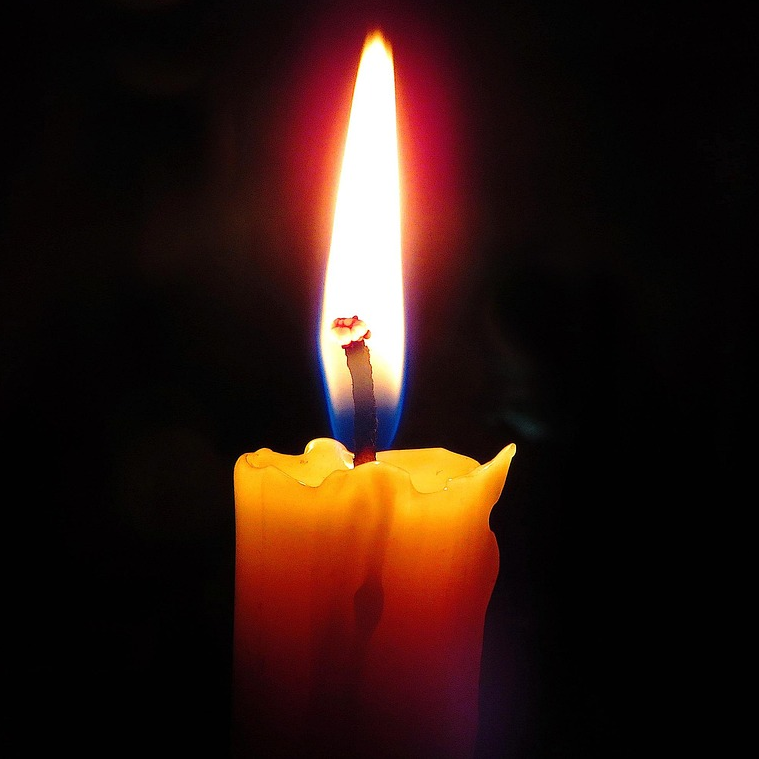
Since when are Candles known to only cast shadows in one direction? You have one, too, and your dark will always follow you, just one step behind. Don’t forget it.
Type
Metaphysical, Arcane
by Peter Klopp




Comments